


- Afhalen na 1 uur in een winkel met voorraad
- Gratis thuislevering in België vanaf € 30
- Ruim aanbod met 7 miljoen producten
- Afhalen na 1 uur in een winkel met voorraad
- Gratis thuislevering in België vanaf € 30
- Ruim aanbod met 7 miljoen producten




€ 54,45
+ 108 punten
Omschrijving
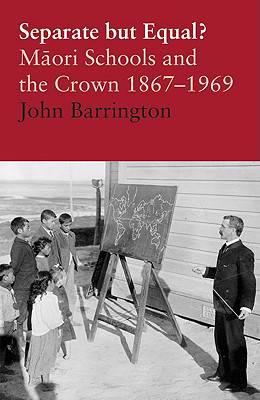
Drawing on an extensive range of new material--including theses, Waitangi Tribunal research, and oral-history projects--this study explores the ignored history of early colonial Maori children and their schools. In 1867, the study reveals, Parliament created a system of elementary schools for Maori as a temporary measure until they could be Europeanized. Despite criticism of the system, it lasted for 100 years and perpetuated the ideas that Maori were best suited for manual and domestic occupations--until a cultural renaissance in the 1930s eventually led to a more balanced system. This comprehensive account incorporates voices of the Maori themselves on schooling, including many that have remained largely hidden in earlier studies, and gives them new prominence and a place to tell their story.
Specificaties
Betrokkenen
- Auteur(s):
- Uitgeverij:
Inhoud
- Aantal bladzijden:
- 383
- Taal:
- Engels
Eigenschappen
- Productcode (EAN):
- 9780864735867
- Verschijningsdatum:
- 1/04/2009
- Uitvoering:
- Paperback
- Formaat:
- Trade paperback (VS)
- Afmetingen:
- 152 mm x 229 mm
- Gewicht:
- 748 g


Alleen bij Standaard Boekhandel
+ 108 punten op je klantenkaart van Standaard Boekhandel
CADEAU


Beoordelingen
We publiceren alleen reviews die voldoen aan de voorwaarden voor reviews. Bekijk onze voorwaarden voor reviews.