


- Afhalen na 1 uur in een winkel met voorraad
- Gratis thuislevering in België vanaf € 30
- Ruim aanbod met 7 miljoen producten
- Afhalen na 1 uur in een winkel met voorraad
- Gratis thuislevering in België vanaf € 30
- Ruim aanbod met 7 miljoen producten





€ 296,95
+ 593 punten
Uitvoering
Omschrijving
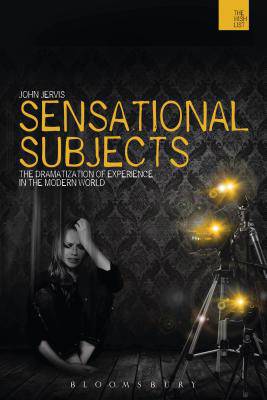
Under what conditions does 'sensation' become 'sensational'?
In the early nineteenth century murder was a staple of the sensationalizing popular press and gruesome descriptions were deployed to make a direct impact on the sensations of the reader. By the end of the century, public concern with the thrills, spills, and shocks of modern life was increasingly articulated in the language of sensation. Media sensationalism contributed to this process and magnified its impact, just as sensation was, in turn, taken up by literature, art and film. In the contemporary world the dramatization of these experiences in an era of media panics over terrorism and paedophilia has taken an overtly melodramatic form, in which battles of good and evil play out across the landscapes of our lives. Sensational Subjects develops an innovative, interdisciplinary approach to exploring these themes, their impact and their implications for understanding the modern world. A companion volume, Sympathetic Sentiments: Affect, Emotion and Spectacle in the Modern World is published simultaneously by Bloomsbury.Specificaties
Betrokkenen
- Auteur(s):
- Uitgeverij:
Inhoud
- Aantal bladzijden:
- 248
- Taal:
- Engels
- Reeks:
Eigenschappen
- Productcode (EAN):
- 9781472535634
- Verschijningsdatum:
- 26/03/2015
- Uitvoering:
- Hardcover
- Formaat:
- Genaaid
- Afmetingen:
- 156 mm x 234 mm
- Gewicht:
- 526 g


Alleen bij Standaard Boekhandel
+ 593 punten op je klantenkaart van Standaard Boekhandel
Cadeau

AANGERADEN


Beoordelingen
We publiceren alleen reviews die voldoen aan de voorwaarden voor reviews. Bekijk onze voorwaarden voor reviews.