


- Afhalen na 1 uur in een winkel met voorraad
- Gratis thuislevering in België vanaf € 30
- Ruim aanbod met 7 miljoen producten
- Afhalen na 1 uur in een winkel met voorraad
- Gratis thuislevering in België vanaf € 30
- Ruim aanbod met 7 miljoen producten





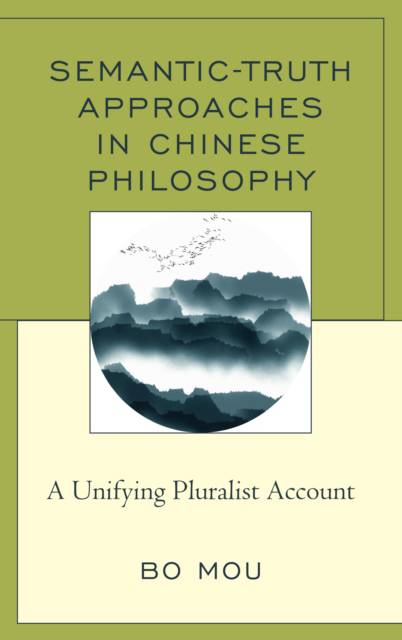
Semantic-Truth Approaches in Chinese Philosophy
A Unifying Pluralist Account
Bo Mou
Hardcover | Engels
€ 254,45
+ 508 punten
Omschrijving
This book explains a distinctive pluralist account of truth, jointly-rooted perspectivism ('JRP' for short). This explanation unifies various representative while philosophically interesting truth-concern approaches in early Chinese philosophy on the basis of people's pre-theoretic "way-things-are-capturing" understanding of truth. It explains how JRP provides effective interpretative resources to identify and explain one unifying line that runs through those distinct truth-concern approaches and how they can thus talk with and complement each other and contribute to the contemporary study of the issue of truth. In so doing, the book also engages with some distinct treatments in the modern study of Chinese philosophy. Through testing its explanatory power in effectively interpreting those representative truth-concern approaches in the Yi-Jing philosophy, Gongsun Long's philosophy, Later Mohist philosophy, classical Confucianism and classical Daoism, JRP is also further justified and strengthened. Mou defends JRP as an original unifying pluralist account in the context of cross-tradition philosophical engagement, which can also effectively engage with other accounts of truth (including other types of pluralist accounts) in contemporary philosophy. The purpose of this book is dual: (1) it is to enhance our understanding and treatment of the truth concern as one strategic foundation of various movements of thought in classical Chinese philosophy that are intended to capture "how things are"; (2) on the other hand, it is to explore how the relevant resources in Chinese philosophy can contribute to the contemporary exploration of the philosophical issue of truth in philosophically interesting and engaging way.
Specificaties
Betrokkenen
- Auteur(s):
- Uitgeverij:
Inhoud
- Aantal bladzijden:
- 388
- Taal:
- Engels
Eigenschappen
- Productcode (EAN):
- 9781498560412
- Verschijningsdatum:
- 6/11/2018
- Uitvoering:
- Hardcover
- Formaat:
- Genaaid
- Afmetingen:
- 155 mm x 231 mm
- Gewicht:
- 725 g


Alleen bij Standaard Boekhandel
+ 508 punten op je klantenkaart van Standaard Boekhandel
CADEAU

AANGERADEN


Beoordelingen
We publiceren alleen reviews die voldoen aan de voorwaarden voor reviews. Bekijk onze voorwaarden voor reviews.