


- Afhalen na 1 uur in een winkel met voorraad
- Gratis thuislevering in België vanaf € 30
- Ruim aanbod met 7 miljoen producten
- Afhalen na 1 uur in een winkel met voorraad
- Gratis thuislevering in België vanaf € 30
- Ruim aanbod met 7 miljoen producten





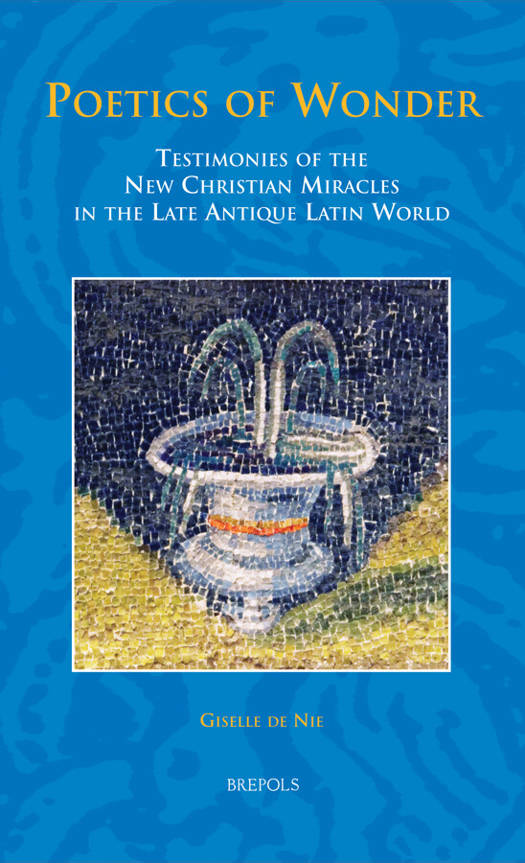
Sem 31 Poetics of Wonder, de Nie
Testimonies of the New Christian Miracles in the Late Antique Latin World
Giselle de Nie
€ 164,30
+ 328 punten
Omschrijving
The unexpected return of contemporary public Christian miracles in the late antique Latin west, after a centuries-long assumption that these had ceased after apostolic times, helped to create a religious mentality there that would continue to characterize the western European Middle Ages. While the social and political functions of the new miracles have been gaining greater scholarly attention, this study is the first in-depth treatment of their experiential dimension. It examines this dimension in the first reactions to the new phenomenon - enthusiasm, puzzlement, deep suspicion, and outright rejection - as they are reflected and, especially, imagined in the earliest contemporary narrative and poetic sources that describe them. And it traces how the new imaginative representations transformed, for many, the up to then precept-centered way of thinking about religion into one that immersed itself in the supralogical dynamics of symbolic images. The tendency of these image-clusters to precipitate transformations, not only in perception but also in physical condition, is examined for the period from 386, when a first public miracle caught everyone's attention in the ostensibly flourishing Christian Roman Empire, to c. 460, when this empire was crumbling under the onslaught of Germanic tribes.
Specificaties
Betrokkenen
- Auteur(s):
- Uitgeverij:
Inhoud
- Aantal bladzijden:
- 542
- Taal:
- Engels
- Reeks:
- Reeksnummer:
- nr. 31
Eigenschappen
- Productcode (EAN):
- 9782503531489
- Verschijningsdatum:
- 25/10/2012
- Uitvoering:
- Hardcover
- Formaat:
- Genaaid
- Afmetingen:
- 157 mm x 239 mm
- Gewicht:
- 1020 g


Alleen bij Standaard Boekhandel
+ 328 punten op je klantenkaart van Standaard Boekhandel
Cadeau

AANGERADEN


Beoordelingen
We publiceren alleen reviews die voldoen aan de voorwaarden voor reviews. Bekijk onze voorwaarden voor reviews.