


- Afhalen na 1 uur in een winkel met voorraad
- Gratis thuislevering in België vanaf € 30
- Ruim aanbod met 7 miljoen producten
- Afhalen na 1 uur in een winkel met voorraad
- Gratis thuislevering in België vanaf € 30
- Ruim aanbod met 7 miljoen producten





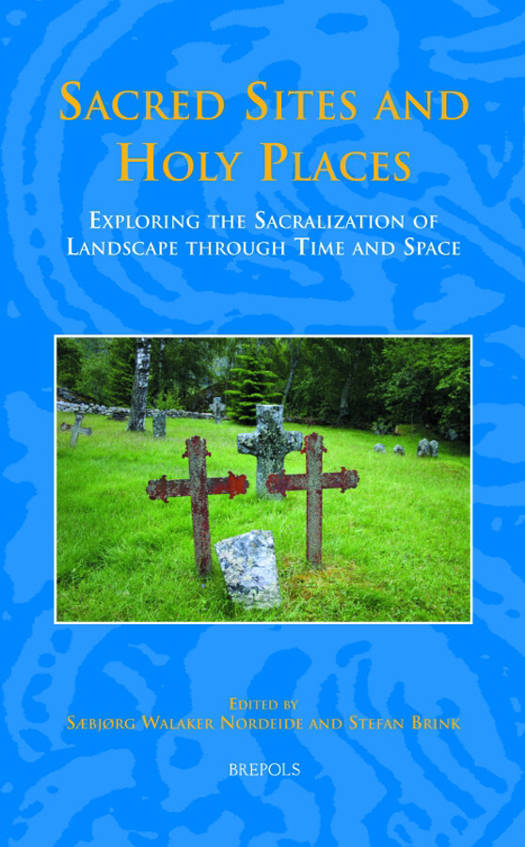
SEM 11 Sacred Sites and Holy Places, Nordeide
Exploring the Sacralization of Landscape Through Time and Space
Saebjorg Walaker Nordeide
€ 100,70
+ 201 punten
Eenvoudig bestellen
Veilig betalen


Gratis thuislevering vanaf € 30 (via bpost)
Gratis levering in je Standaard Boekhandel
Omschrijving
In this volume two important veins of interdisciplinary research into the medieval period in Scandinavia and the Baltic region are merged, namely the Christianization process and landscape studies. The volume authors approach the common theme of sacrality in landscape from such various viewpoints as archaeology, philology, history of religion, theology, history, classical studies, and art history. A common theme in all articles is a theoretical approach, complemented by illustrative case studies from the Scandinavian, Baltic, or Classical worlds. Aspects of pagan religion, as well as Christianity and the establishment of the early Church, are considered within both geographical setting and social landscape, while the study of maps, place names, and settlement patterns introduces new methodologies and perspectives to expose and define the sacral landscape of these regions. The contributions are put into perspective by a comparison with research into the sacral landscapes of Central Europe and the Classical world. New interdisciplinary research methods and new models have been developed by the contributors to present new vistas of sacrality in the Scandinavian and the Baltic landscape. To open up these case studies, a selection of over sixty images and maps accompanies this cutting-edge research, allowing the reader to explore sacralization and the Christianization process within its medieval setting.
Specificaties
Betrokkenen
- Auteur(s):
- Uitgeverij:
Inhoud
- Aantal bladzijden:
- 294
- Taal:
- Engels
- Reeks:
- Reeksnummer:
- nr. 11
Eigenschappen
- Productcode (EAN):
- 9782503541006
- Verschijningsdatum:
- 1/07/2013
- Uitvoering:
- Hardcover
- Formaat:
- Genaaid
- Afmetingen:
- 163 mm x 239 mm
- Gewicht:
- 635 g


Alleen bij Standaard Boekhandel
+ 201 punten op je klantenkaart van Standaard Boekhandel
CADEAU

AANGERADEN


Beoordelingen
We publiceren alleen reviews die voldoen aan de voorwaarden voor reviews. Bekijk onze voorwaarden voor reviews.