


- Afhalen na 1 uur in een winkel met voorraad
- Gratis thuislevering in België vanaf € 30
- Ruim aanbod met 7 miljoen producten
- Afhalen na 1 uur in een winkel met voorraad
- Gratis thuislevering in België vanaf € 30
- Ruim aanbod met 7 miljoen producten





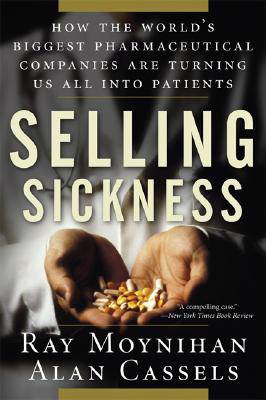
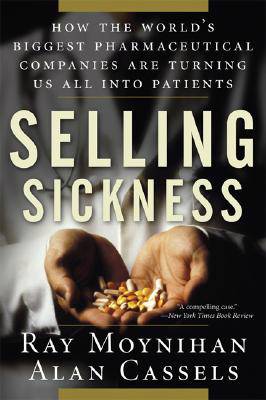
Selling Sickness
How the World's Biggest Pharmaceutical Companies Are Turning Us All Into Patients
Ray Moynihan, Alan Cassels
Paperback | Engels
€ 32,95
+ 65 punten
Omschrijving
Thirty years ago, Henry Gadsden, the head of Merck, one of the world's largest drug companies, told Fortune magazine that he wanted Merck to be more like chewing gum maker Wrigley's. It had long been his dream to make drugs for healthy people so that Merck could sell to everyone. Gadsden's dream now drives the marketing machinery of the most profitable industry on earth. Drug companies are systematically working to widen the very boundaries that define illness, and the markets for medication grow ever larger. Mild problems are redefined as serious illness and common complaints are labeled as medical conditions requiring drug treatments. Runny noses are now allergic rhinitis, PMS has become a psychiatric disorder, and hyperactive children have ADD. When it comes to conditions like high cholesterol or low bone density, being at risk is sold as a disease. Selling Sickness reveals how widening the boundaries of illness and lowering the threshold for treatments is creating millions of new patients and billions in new profits, in turn threatening to bankrupt health-care systems all over the world.As more and more of ordinary life becomes medicalized, the industry moves ever closer to Gadsden's dream: selling to everyone.
Specificaties
Betrokkenen
- Auteur(s):
- Uitgeverij:
Inhoud
- Aantal bladzijden:
- 272
- Taal:
- Engels
Eigenschappen
- Productcode (EAN):
- 9781560258568
- Verschijningsdatum:
- 1/06/2006
- Uitvoering:
- Paperback
- Formaat:
- Trade paperback (VS)
- Afmetingen:
- 136 mm x 212 mm
- Gewicht:
- 276 g


Alleen bij Standaard Boekhandel
+ 65 punten op je klantenkaart van Standaard Boekhandel
Cadeau

AANGERADEN


Beoordelingen
We publiceren alleen reviews die voldoen aan de voorwaarden voor reviews. Bekijk onze voorwaarden voor reviews.