


- Afhalen na 1 uur in een winkel met voorraad
- Gratis thuislevering in België vanaf € 30
- Ruim aanbod met 7 miljoen producten
- Afhalen na 1 uur in een winkel met voorraad
- Gratis thuislevering in België vanaf € 30
- Ruim aanbod met 7 miljoen producten





€ 191,95
+ 383 punten
Uitvoering
Omschrijving
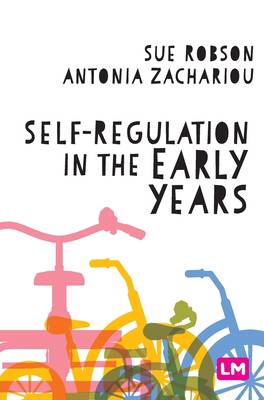
This book supports students of Early Childhood Studies, Early Years and related disciplines to understand self-regulation in the early years. It explores what self-regulation is and includes evidence from cognitive, developmental and behavioural psychology and neuroscience. It asks why self-regulation is so central for children and why it is so important for practitioners to support and develop it in young children.
The book explores how self-regulation underpins much of children's development, including social, emotional and cognitive development. Key contexts for self-regulation, in particular aspects such as play and talk, are covered. This book supports students to:
- know why self-regulation matters
- understand why self-regulation is increasingly evident in policy and curricular around the world
- focus on social, emotional and behavioural aspects of self-regulation
- explore the importance of relationships in self-regulation - between children and adults and between children themselves
- effectively observe and document self-regularion
The book explores how self-regulation underpins much of children's development, including social, emotional and cognitive development. Key contexts for self-regulation, in particular aspects such as play and talk, are covered. This book supports students to:
- know why self-regulation matters
- understand why self-regulation is increasingly evident in policy and curricular around the world
- focus on social, emotional and behavioural aspects of self-regulation
- explore the importance of relationships in self-regulation - between children and adults and between children themselves
- effectively observe and document self-regularion
Specificaties
Betrokkenen
- Auteur(s):
- Uitgeverij:
Inhoud
- Aantal bladzijden:
- 216
- Taal:
- Engels
Eigenschappen
- Productcode (EAN):
- 9781529771008
- Verschijningsdatum:
- 30/05/2022
- Uitvoering:
- Hardcover
- Formaat:
- Genaaid
- Afmetingen:
- 170 mm x 244 mm
- Gewicht:
- 548 g


Alleen bij Standaard Boekhandel
+ 383 punten op je klantenkaart van Standaard Boekhandel
Cadeau

AANGERADEN


Beoordelingen
We publiceren alleen reviews die voldoen aan de voorwaarden voor reviews. Bekijk onze voorwaarden voor reviews.