


- Afhalen na 1 uur in een winkel met voorraad
- Gratis thuislevering in België vanaf € 30
- Ruim aanbod met 7 miljoen producten
- Afhalen na 1 uur in een winkel met voorraad
- Gratis thuislevering in België vanaf € 30
- Ruim aanbod met 7 miljoen producten





€ 63,45
+ 126 punten
Eenvoudig bestellen
Veilig betalen


Gratis thuislevering vanaf € 30 (via bpost)
Gratis levering in je Standaard Boekhandel
Omschrijving
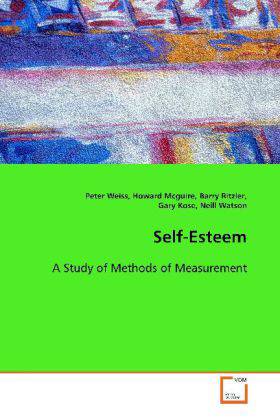
The measurement of the construct self-esteem has
always been a controversial topic in the field of
personality psychology. While most psychologists
agree on how to define self-esteem, the measurement
of the construct is another matter. In this book,
Peter Weiss and colleagues discuss different methods
of measuring self-esteem and describe differences in
how these tests are constructed. They note that self-
esteem tests can be categorized along two
dimensions: They either measure self-esteem using a
unitary score or a disparity measure, and they are
either idiographic or nomothetic in focus. The
authors explain how these issues in test
construction may potentially affect measurement and
result in the lack of construct validity sometimes
observed in research on self-esteem. They then
describe their comprehensive original study of self-
esteem measurement, in which they examined the
relationship between the Kelly Repertory Test, the
Rorschach Comprehensive System, and several self-
report measures of self-esteem. The implications of
this study, unique in the personality assessment
literature, are also discussed.
always been a controversial topic in the field of
personality psychology. While most psychologists
agree on how to define self-esteem, the measurement
of the construct is another matter. In this book,
Peter Weiss and colleagues discuss different methods
of measuring self-esteem and describe differences in
how these tests are constructed. They note that self-
esteem tests can be categorized along two
dimensions: They either measure self-esteem using a
unitary score or a disparity measure, and they are
either idiographic or nomothetic in focus. The
authors explain how these issues in test
construction may potentially affect measurement and
result in the lack of construct validity sometimes
observed in research on self-esteem. They then
describe their comprehensive original study of self-
esteem measurement, in which they examined the
relationship between the Kelly Repertory Test, the
Rorschach Comprehensive System, and several self-
report measures of self-esteem. The implications of
this study, unique in the personality assessment
literature, are also discussed.
Specificaties
Betrokkenen
- Auteur(s):
- Uitgeverij:
Inhoud
- Aantal bladzijden:
- 88
- Taal:
- Engels
Eigenschappen
- Productcode (EAN):
- 9783639093247
- Verschijningsdatum:
- 1/12/2008
- Uitvoering:
- Paperback
- Afmetingen:
- 152 mm x 220 mm
- Gewicht:
- 127 g


Alleen bij Standaard Boekhandel
+ 126 punten op je klantenkaart van Standaard Boekhandel
CADEAU

AANGERADEN


Beoordelingen
We publiceren alleen reviews die voldoen aan de voorwaarden voor reviews. Bekijk onze voorwaarden voor reviews.