


- Afhalen na 1 uur in een winkel met voorraad
- Gratis thuislevering in België vanaf € 30
- Ruim aanbod met 7 miljoen producten
- Afhalen na 1 uur in een winkel met voorraad
- Gratis thuislevering in België vanaf € 30
- Ruim aanbod met 7 miljoen producten




Omschrijving
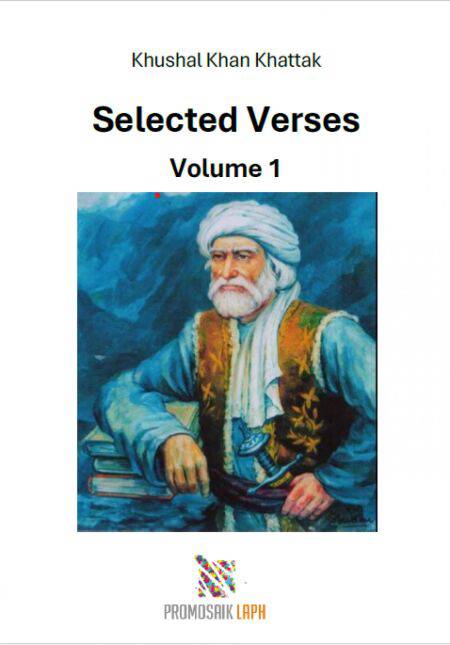
Khushal Khan Khattak was a celebrated warrior and Pashtun poet who initially served as a loyal subject of the Mughal Empire which had to protect itself from the attacks of Pashtun warriors, before rebelling against its authority. He was born in 1613 and died in 1689.
After being expelled from his tribal chiefdom and replaced with his son by his Mughal superiors, Khushal Khan turned against the Mughals. Afterwards, Khushal preached the union of all Pashtuns, and encouraged revolt against the Mughal Empire, promoting Pashtun nationalism in the last years of his life through poetry. Much of Khushal's poetry is in Pashto but some is also in Persian. Khushal is considered the "father of Pashto literature" and the national poet of Afghanistan.
His life can be split in two parts: the first part was dedicated to his service of the Moghul empire while in the second part of his life he focused on the unification of the divided Pashtun tribes. The reason why he started his rebellion against the Moghul Empire was his imprisonment by them. After his liberation from prison, he started taking contact to other Pashtun tribes to organize the resistance against the Moghul Empire. The poet's family has a long tradition of brave warriors serving the Moghul Empire. He learnt Islam sciences from the Sufi Saint Sayyid Kastir Gul, known as Sheikh Rahamkar.
His poems are full of faith to Allah, love to a woman closing his heart to him, and full of pain because of the deterioration of the ethics and honor of his people. In addition, the poems contain many elements of nature, in particular mountain roads and flowers, in particular the tulips and roses. The language of Khushal is full of symbols and metaphors and contains rich references to the Quran and to old Arabic and Islamic poetry. His life and destiny are dictated by Allah, the Almighty. However, the acceptance of destiny means dynamic struggle and hard work in the life on earth which is short as the poet reminds us.
After being expelled from his tribal chiefdom and replaced with his son by his Mughal superiors, Khushal Khan turned against the Mughals. Afterwards, Khushal preached the union of all Pashtuns, and encouraged revolt against the Mughal Empire, promoting Pashtun nationalism in the last years of his life through poetry. Much of Khushal's poetry is in Pashto but some is also in Persian. Khushal is considered the "father of Pashto literature" and the national poet of Afghanistan.
His life can be split in two parts: the first part was dedicated to his service of the Moghul empire while in the second part of his life he focused on the unification of the divided Pashtun tribes. The reason why he started his rebellion against the Moghul Empire was his imprisonment by them. After his liberation from prison, he started taking contact to other Pashtun tribes to organize the resistance against the Moghul Empire. The poet's family has a long tradition of brave warriors serving the Moghul Empire. He learnt Islam sciences from the Sufi Saint Sayyid Kastir Gul, known as Sheikh Rahamkar.
His poems are full of faith to Allah, love to a woman closing his heart to him, and full of pain because of the deterioration of the ethics and honor of his people. In addition, the poems contain many elements of nature, in particular mountain roads and flowers, in particular the tulips and roses. The language of Khushal is full of symbols and metaphors and contains rich references to the Quran and to old Arabic and Islamic poetry. His life and destiny are dictated by Allah, the Almighty. However, the acceptance of destiny means dynamic struggle and hard work in the life on earth which is short as the poet reminds us.
Specificaties
Betrokkenen
- Auteur(s):
- Uitgeverij:
Inhoud
- Aantal bladzijden:
- 82
- Taal:
- Engels
Eigenschappen
- Productcode (EAN):
- 9783565063499
- Verschijningsdatum:
- 22/10/2025
- Uitvoering:
- E-book
- Formaat:
- ePub


Alleen bij Standaard Boekhandel
+ 3 punten op je klantenkaart van Standaard Boekhandel

Beoordelingen
We publiceren alleen reviews die voldoen aan de voorwaarden voor reviews. Bekijk onze voorwaarden voor reviews.