


- Afhalen na 1 uur in een winkel met voorraad
- Gratis thuislevering in België vanaf € 30
- Ruim aanbod met 7 miljoen producten
- Afhalen na 1 uur in een winkel met voorraad
- Gratis thuislevering in België vanaf € 30
- Ruim aanbod met 7 miljoen producten





€ 8,49
+ 8 punten
Omschrijving
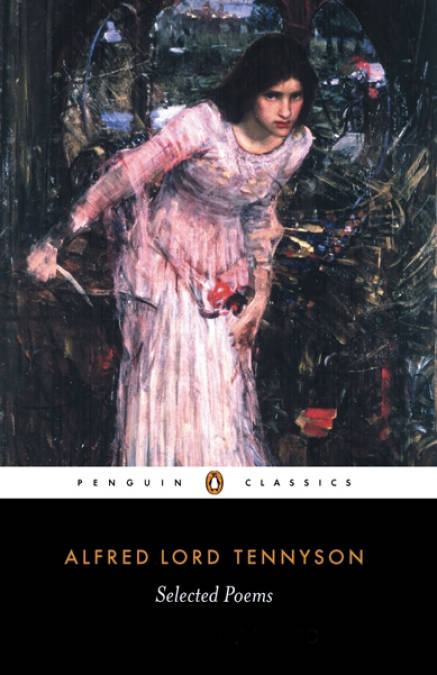
'Tennyson', wrote T. S. Eliot, 'has the finest ear of any English poet since Milton,' and his verse remains unrivalled in its combination of verbal richness, emotional depth and intellectual engagement. Tennyson drew on classical and medieval legends in poems like 'The Lotos-Eaters' (1832) and 'The Lady of Shalott' (1832) to explore the spiritual tensions of the nineteenth century. In one of the great works of his maturity, 'In Memoriam' (1850) - written after the loss of his dearest friend - Tennyson vividly negotiated contemporary scepticism and the modern sciences of geology and evolution. Similar ground is covered in a dramatically darker mood in 'Maud' (1855), a poignant account of psychological disintegration.
Specificaties
Betrokkenen
- Auteur(s):
- Uitgeverij:
Inhoud
- Aantal bladzijden:
- 400
- Taal:
- Engels
Eigenschappen
- Productcode (EAN):
- 9780141934877
- Verschijningsdatum:
- 28/01/2004
- Uitvoering:
- E-book
- Beveiligd met:
- Adobe DRM
- Formaat:
- ePub


Alleen bij Standaard Boekhandel
+ 8 punten op je klantenkaart van Standaard Boekhandel
Cadeau

AANGERADEN


Beoordelingen
We publiceren alleen reviews die voldoen aan de voorwaarden voor reviews. Bekijk onze voorwaarden voor reviews.