


- Afhalen na 1 uur in een winkel met voorraad
- Gratis thuislevering in België vanaf € 30
- Ruim aanbod met 7 miljoen producten
- Afhalen na 1 uur in een winkel met voorraad
- Gratis thuislevering in België vanaf € 30
- Ruim aanbod met 7 miljoen producten





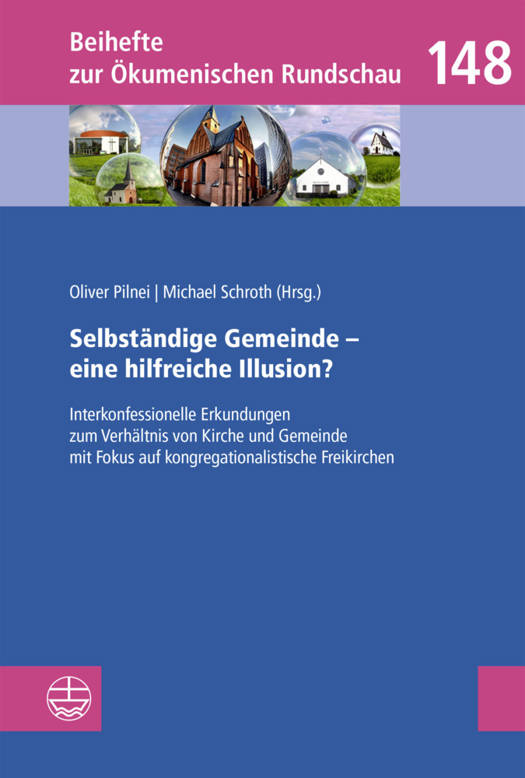
Selbstandige Gemeinde - Eine Hilfreiche Illusion?
Interkonfessionelle Erkundungen Zum Verhaltnis Von Kirche Und Gemeinde Mit Fokus Auf Kongregationalistische Freikirchen
€ 57,45
+ 114 punten
Uitvoering
Omschrijving
The ecclesiological guiding principle of Congregationalism is that the local church is independent in matters of leadership, doctrine, and order. In German-speaking countries, this form of church is primarily associated with so-called free churches, which explicitly identify as congregational. However, congregational elements can also be found in other forms of Protestant churches, and at the same time, not all free churches are congregational in nature. This heterogeneous picture raises questions that are characteristic of this guiding principle of the independent local congregation: What image of the congregation is decisive here? How is independence justified in its relationship to the unity of the church? What challenges arise in a late modern society? This conference volume brings together contributions that examine the principle of the "independent congregation" from an interdisciplinary and ecumenical perspective and reveal the different nuances of this ecclesiological principle with a practical-theological focus.
Specificaties
Betrokkenen
- Uitgeverij:
Inhoud
- Taal:
- Duits
- Reeks:
- Reeksnummer:
- nr. 148
Eigenschappen
- Productcode (EAN):
- 9783374080366
- Verschijningsdatum:
- 24/04/2026
- Uitvoering:
- Paperback
- Formaat:
- Trade paperback (VS)
- Afmetingen:
- 148 mm x 16 mm
- Gewicht:
- 412 g

Alleen bij Standaard Boekhandel
+ 114 punten op je klantenkaart van Standaard Boekhandel
Cadeau

AANGERADEN


Beoordelingen
We publiceren alleen reviews die voldoen aan de voorwaarden voor reviews. Bekijk onze voorwaarden voor reviews.