


- Afhalen na 1 uur in een winkel met voorraad
- Gratis thuislevering in België vanaf € 30
- Ruim aanbod met 7 miljoen producten
- Afhalen na 1 uur in een winkel met voorraad
- Gratis thuislevering in België vanaf € 30
- Ruim aanbod met 7 miljoen producten





€ 44,00
+ 88 punten
Omschrijving
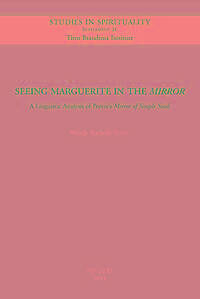
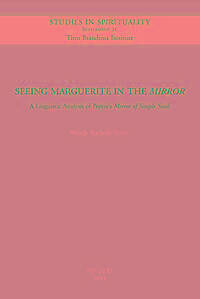
Using Marguerite Porete's (d.1310) Mirror of Simple Souls as the case study, Terry outlines a new application of linguistic tools to the analysis of spiritual texts, showing how the tools can elucidate discourse aim, self-presentation, and concepts of God. Terry's book explains the tools, outlines a four-step process for applying them, contextualizes Marguerite's Mirror in light of potential sources, medieval images of women and documentation concerning her trial, and then applies the tools to Marguerite's Mirror. The image of Marguerite that emerges is in sharp contrast to that preserved by her contemporaries who used highly gendered labels: Marguerite's self-presentation is not highly gendered. Gendered elements in Mirror are explainable in light of Marguerite's potential theological and literary sources. Consequently, Terry determines that modern focus on gender images for Marguerite relies less on her own voice and more on historical labels given to her, missing the core of her self-understanding.
Specificaties
Betrokkenen
- Auteur(s):
- Uitgeverij:
Inhoud
- Aantal bladzijden:
- 169
- Taal:
- Engels
- Reeks:
- Reeksnummer:
- nr. 21
Eigenschappen
- Productcode (EAN):
- 9789042923225
- Verschijningsdatum:
- 1/01/2011
- Uitvoering:
- Paperback
- Formaat:
- Trade paperback (VS)
- Afmetingen:
- 157 mm x 239 mm
- Gewicht:
- 317 g


Alleen bij Standaard Boekhandel
+ 88 punten op je klantenkaart van Standaard Boekhandel
Cadeau

AANGERADEN


Beoordelingen
We publiceren alleen reviews die voldoen aan de voorwaarden voor reviews. Bekijk onze voorwaarden voor reviews.