


- Afhalen na 1 uur in een winkel met voorraad
- Gratis thuislevering in België vanaf € 30
- Ruim aanbod met 7 miljoen producten
- Afhalen na 1 uur in een winkel met voorraad
- Gratis thuislevering in België vanaf € 30
- Ruim aanbod met 7 miljoen producten





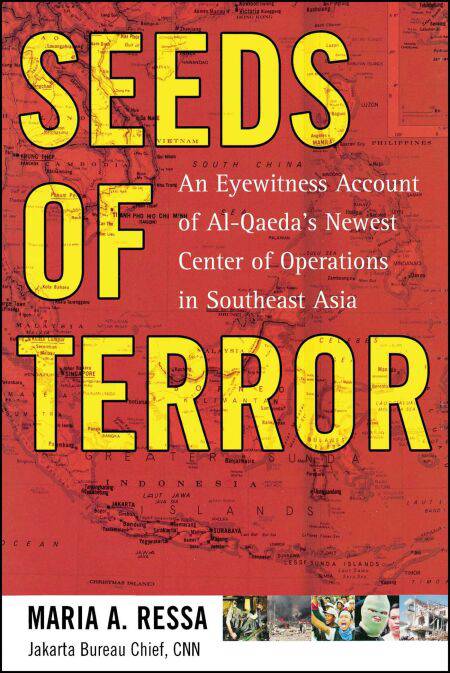
Seeds of Terror E-BOOK
An Eyewitness Account of Al-Qaeda's Newest Center of Operations in Southeast Asia
Maria Ressa
E-book | Engels
€ 15,65
+ 15 punten
Eenvoudig bestellen
Veilig betalen


Onmiddellijk geleverd via e-mail
Omschrijving
For anyone wishing to understand the next, post-9/11 generation of al-Qaeda planning, leadership, and tactics, there is only one place to begin: Southeast Asia. In fact, such countries as the Philippines, Indonesia, Thailand, and Malaysia have been crucial nodes in the al-Qaeda network since long before the strikes on the Pentagon and World Trade Center, but when the allies overran Afghanistan, the new camps in Southeast Asia became the key training grounds for the future. It is in the Muslim strongholds in the Philippines and Indonesia that the next generation of al-Qaeda can be found. In this powerful, eye-opening work, Maria Ressa casts the most illuminating light ever on this fascinating but little-known "terrorist HQ."
Every major al-Qaeda attack since 1993 has had a connection to the Philippines, and Maria Ressa, CNN's lead investigative reporter for Asia and a Filipino-American who has lived in the region since 1986, has broken story after story about them. From the early, failed attempts to assassinate Pope John Paul II and Bill Clinton to the planning of the 9/11 strikes and the "48 Hours of Terror," in which eleven American jetliners were to be blown up over the Pacific, she has interviewed the terrorists, their neighbors and families, and the investigators from six different countries who have tracked them down. After the Bali bombing, al-Qaeda's worst strike since 9/11, which killed more than two hundred, Ressa broke major revelations about how it was planned, why it was a Plan B substitute for an even more ambitious scheme aimed at Singapore, and why the suicide bomber recruited to deliver the explosives almost caused the whole plan to fall apart when he admitted he could barely drive a car.
Above all, Ressa has seen how al-Qaeda's tactics are shifting under the pressures of the war on terror. Rather than depending upon its own core membership (estimated at three to four thousand at its peak), the network is now enmeshing itself in local conflicts, co-opting Muslim independence movements wherever they can be found, and helping local "revolutionaries" to fund, plan, and execute sinister attacks against their neighbors and the West.
If history is any guide, al-Qaeda revisits its plans over and over until they can succeed -- and many of those plans have already been discovered and are here revealed, thanks to classified investigative documents uncovered by Ressa.
Every major al-Qaeda attack since 1993 has had a connection to the Philippines, and Maria Ressa, CNN's lead investigative reporter for Asia and a Filipino-American who has lived in the region since 1986, has broken story after story about them. From the early, failed attempts to assassinate Pope John Paul II and Bill Clinton to the planning of the 9/11 strikes and the "48 Hours of Terror," in which eleven American jetliners were to be blown up over the Pacific, she has interviewed the terrorists, their neighbors and families, and the investigators from six different countries who have tracked them down. After the Bali bombing, al-Qaeda's worst strike since 9/11, which killed more than two hundred, Ressa broke major revelations about how it was planned, why it was a Plan B substitute for an even more ambitious scheme aimed at Singapore, and why the suicide bomber recruited to deliver the explosives almost caused the whole plan to fall apart when he admitted he could barely drive a car.
Above all, Ressa has seen how al-Qaeda's tactics are shifting under the pressures of the war on terror. Rather than depending upon its own core membership (estimated at three to four thousand at its peak), the network is now enmeshing itself in local conflicts, co-opting Muslim independence movements wherever they can be found, and helping local "revolutionaries" to fund, plan, and execute sinister attacks against their neighbors and the West.
If history is any guide, al-Qaeda revisits its plans over and over until they can succeed -- and many of those plans have already been discovered and are here revealed, thanks to classified investigative documents uncovered by Ressa.
Specificaties
Betrokkenen
- Auteur(s):
- Uitgeverij:
Inhoud
- Aantal bladzijden:
- 272
- Taal:
- Engels
Eigenschappen
- Productcode (EAN):
- 9780743266970
- Verschijningsdatum:
- 9/03/2004
- Uitvoering:
- E-book
- Beveiligd met:
- Adobe DRM
- Formaat:
- ePub


Alleen bij Standaard Boekhandel
+ 15 punten op je klantenkaart van Standaard Boekhandel
CADEAU

AANGERADEN


Beoordelingen
We publiceren alleen reviews die voldoen aan de voorwaarden voor reviews. Bekijk onze voorwaarden voor reviews.