


- Afhalen na 1 uur in een winkel met voorraad
- Gratis thuislevering in België vanaf € 30
- Ruim aanbod met 7 miljoen producten
- Afhalen na 1 uur in een winkel met voorraad
- Gratis thuislevering in België vanaf € 30
- Ruim aanbod met 7 miljoen producten





€ 39,45
+ 78 punten
Uitvoering
Omschrijving
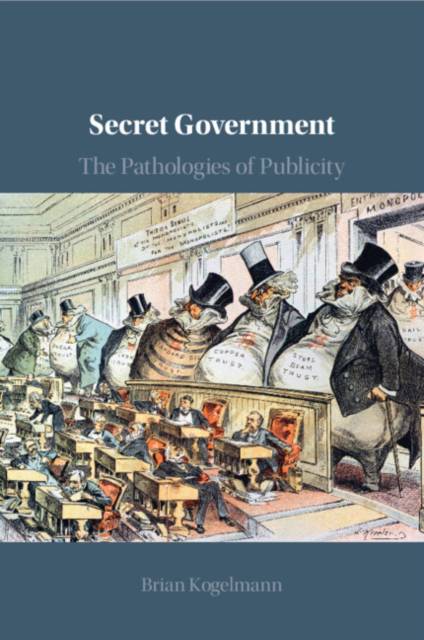
Among politicians and policy-makers it is almost universally assumed that more transparency in government is better. Until now, philosophers have almost completely ignored the topic of transparency, and when it is discussed there seems to be an assumption (shared with politicians and policy-makers) that increased transparency is a good thing, which results in no serious attempt to justify it. In this book Brian Kogelmann shows that the standard narrative is false and that many arguments in defence of transparency are weak. He offers a comprehensive philosophical analysis of transparency in government, examining both abstract normative defences of transparency, and transparency's role in the theory of institutional design. His book shows that even when the arguments in favour of transparency are compelling, the costs associated with it are just as forceful as the original arguments themselves, and that strong arguments can be made in defence of more opaque institutions.
Specificaties
Betrokkenen
- Auteur(s):
- Uitgeverij:
Inhoud
- Aantal bladzijden:
- 258
- Taal:
- Engels
Eigenschappen
- Productcode (EAN):
- 9781108978248
- Verschijningsdatum:
- 26/10/2023
- Uitvoering:
- Paperback
- Formaat:
- Trade paperback (VS)
- Afmetingen:
- 152 mm x 229 mm
- Gewicht:
- 349 g



Alleen bij Standaard Boekhandel
+ 78 punten op je klantenkaart van Standaard Boekhandel
Wedstrijd


Beoordelingen
We publiceren alleen reviews die voldoen aan de voorwaarden voor reviews. Bekijk onze voorwaarden voor reviews.