


- Afhalen na 1 uur in een winkel met voorraad
- Gratis thuislevering in België vanaf € 30
- Ruim aanbod met 7 miljoen producten
- Afhalen na 1 uur in een winkel met voorraad
- Gratis thuislevering in België vanaf € 30
- Ruim aanbod met 7 miljoen producten





€ 132,50
+ 265 punten
Omschrijving
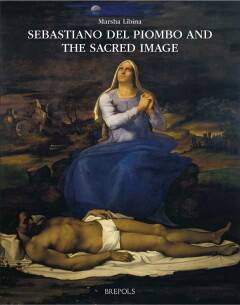
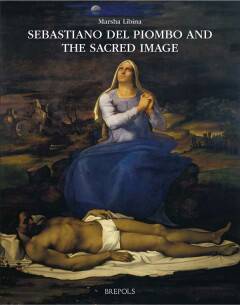
On account of the artists' collaborative practice, Sebastiano del Piombo's oeuvre is often misconstrued as a coloristic supplement to Michelangelo's disegno or as a mere extension of the older master's drawings and ideas. Marsha Libina's book complicates this narrative by offering a critical reevaluation of the devotional art of Sebastiano del Piombo (1485-1547), an important Venetian artist whose Roman work stands at the nexus of questions regarding art, religious reform and the largely unexplored history of artistic collaboration. Investigating new ways of understanding Sebastiano's interest in soliciting Michelangelo's drawings as catalysts of invention, Libina tells the story of a collaboration driven neither by a compliant imitation of Michelangelo nor the reconciliation of opposing regional styles but, rather, by an interest in hermeneutically productive difference - generating complementary yet divergent approaches to art as a vehicle of reform. This volume presents an in-depth exploration of how Sebastiano's experiments with the sacred image - like Michelangelo's - were formulated in response to the early years of Catholic reform. The years preceding the Council of Trent saw the rise of divisive investigations into the repercussions of an increasingly mediated knowledge of the divine. Libina reveals how these concerns converge in Sebastiano's new language of devotional painting, which embraces an aesthetic of figural stillness, isolation and psychological detachment. At a moment when religious debates and questions about the role of image-based devotion took center stage, Sebastiano's work offered a reflection on what it meant to view and meditate on the body of Christ in the Renaissance altarpiece.
Specificaties
Betrokkenen
- Auteur(s):
- Uitgeverij:
Inhoud
- Aantal bladzijden:
- 270
- Taal:
- Engels
- Reeks:
- Reeksnummer:
- nr. 7
Eigenschappen
- Productcode (EAN):
- 9782503594750
- Verschijningsdatum:
- 15/06/2022
- Uitvoering:
- Hardcover
- Formaat:
- Genaaid
- Gewicht:
- 14777 g


Alleen bij Standaard Boekhandel
+ 265 punten op je klantenkaart van Standaard Boekhandel
Cadeau

AANGERADEN


Beoordelingen
We publiceren alleen reviews die voldoen aan de voorwaarden voor reviews. Bekijk onze voorwaarden voor reviews.