



Je cadeautjes zeker op tijd in huis hebben voor de feestdagen? Kom langs in onze winkels en vind het perfecte geschenk!
- Afhalen na 1 uur in een winkel met voorraad
- Gratis thuislevering in België vanaf € 30
- Ruim aanbod met 7 miljoen producten
Je cadeautjes zeker op tijd in huis hebben voor de feestdagen? Kom langs in onze winkels en vind het perfecte geschenk!
- Afhalen na 1 uur in een winkel met voorraad
- Gratis thuislevering in België vanaf € 30
- Ruim aanbod met 7 miljoen producten





€ 120,45
+ 240 punten
Omschrijving
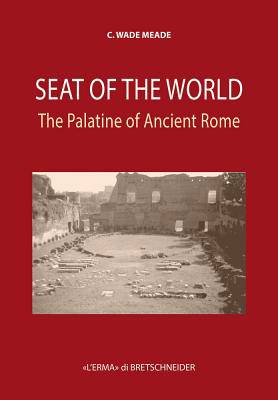
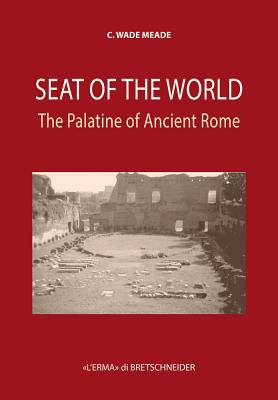
After thirty seasons of field work on the Palatine Hill, the author felt it was time to put the results in book form. It is an archaeological, architectural, geological, and historical study of the development of the Palatine from Prehistoric Times to 476 C.E. An Epilogue covers events to 2007. The Palatine is important due to the fact that this is where the City of Rome had its beginnings. It was also the seat of the Imperial Government from 27 B.C.E. until 330 C.E. Even after Constantine had shifted the capital to Byzantium, it retained its mystical importance. Chapter One deals with previous work on the Palatine. The Second Chapter shows the geological evolution of the hill. Chapters Three through Seven deals with construction on the hill. The Epilogue briefly deals with excavations in the 21st Century. A Bibliography is attached at the end.
Specificaties
Betrokkenen
- Auteur(s):
- Uitgeverij:
Inhoud
- Aantal bladzijden:
- 136
- Taal:
- Engels
Eigenschappen
- Productcode (EAN):
- 9788882657680
- Verschijningsdatum:
- 30/06/2013
- Uitvoering:
- Hardcover
- Formaat:
- Genaaid
- Afmetingen:
- 175 mm x 241 mm
- Gewicht:
- 566 g


Alleen bij Standaard Boekhandel
+ 240 punten op je klantenkaart van Standaard Boekhandel
CADEAU


Beoordelingen
We publiceren alleen reviews die voldoen aan de voorwaarden voor reviews. Bekijk onze voorwaarden voor reviews.