


- Afhalen na 1 uur in een winkel met voorraad
- Gratis thuislevering in België vanaf € 30
- Ruim aanbod met 7 miljoen producten
- Afhalen na 1 uur in een winkel met voorraad
- Gratis thuislevering in België vanaf € 30
- Ruim aanbod met 7 miljoen producten





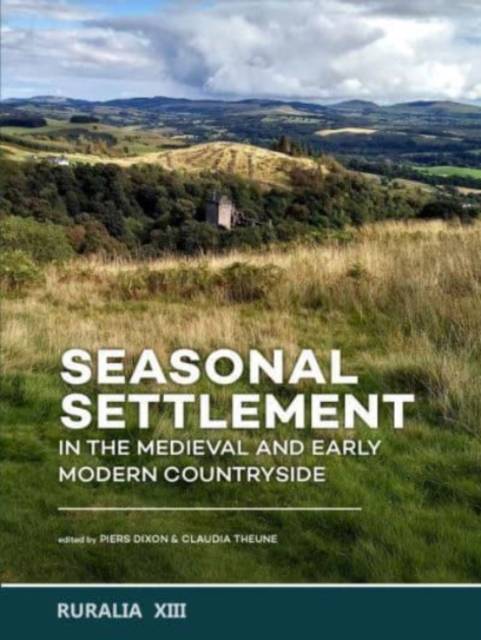
Seasonal Settlement in the Medieval and Early Modern Countryside
€ 65,00
+ 130 punten
Omschrijving
For the first time seasonality is placed at the center of the study of rural settlement. Using a Europe-wide approach, it provides a primer of examples, of techniques, and of ideas for the identification and understanding of seasonal settlement. As such, it marks an important new step in the interpretation of the use of the countryside by historic communities linked to the annual passage of the year. The particular studies are introduced by an opening essay which draws wider conclusions about the study of seasonal settlement, followed by 31 papers by authors from all parts of Europe and beyond.
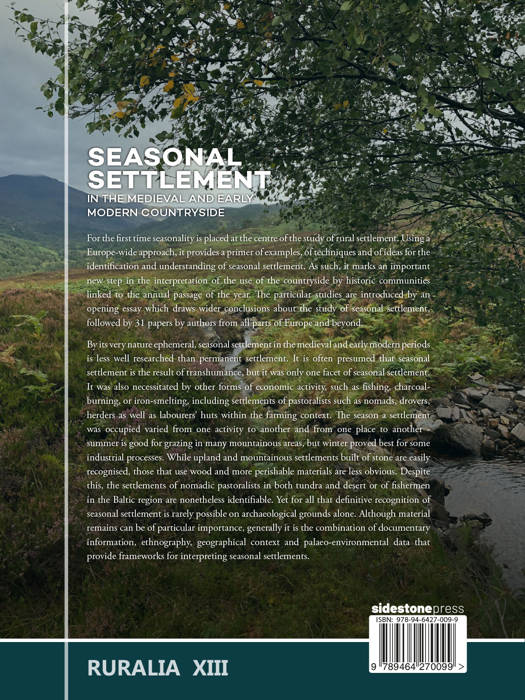
By its very nature ephemeral, seasonal settlement in the medieval and early modern periods is less well researched than permanent settlement. It is often presumed that seasonal settlement is the result of transhumance, but it was only one facet of seasonal settlement. It was also necessitated by other forms of economic activity, such as fishing, charcoal-burning, or iron-smelting, including settlements of pastoralists such as nomads, drovers, herders, as well as laborers' huts within the farming context. The season a settlement was occupied varied from one activity to another and from one place to another - summer is good for grazing in many mountainous areas, but winter proved best for some industrial processes. While upland and mountainous settlements built of stone are easily recognized, those that use wood and more perishable materials are less obvious. Despite this, the settlements of nomadic pastoralists in both tundra and desert or of fishermen in the Baltic region are nonetheless identifiable. Yet for all that definitive recognition of seasonal settlement is rarely possible on archaeological grounds alone. Although material remains can be of particular importance, generally it is the combination of documentary information, ethnography, geographical context, and palaeo-environmental data that provide frameworks for interpreting seasonal settlements.
By its very nature ephemeral, seasonal settlement in the medieval and early modern periods is less well researched than permanent settlement. It is often presumed that seasonal settlement is the result of transhumance, but it was only one facet of seasonal settlement. It was also necessitated by other forms of economic activity, such as fishing, charcoal-burning, or iron-smelting, including settlements of pastoralists such as nomads, drovers, herders, as well as laborers' huts within the farming context. The season a settlement was occupied varied from one activity to another and from one place to another - summer is good for grazing in many mountainous areas, but winter proved best for some industrial processes. While upland and mountainous settlements built of stone are easily recognized, those that use wood and more perishable materials are less obvious. Despite this, the settlements of nomadic pastoralists in both tundra and desert or of fishermen in the Baltic region are nonetheless identifiable. Yet for all that definitive recognition of seasonal settlement is rarely possible on archaeological grounds alone. Although material remains can be of particular importance, generally it is the combination of documentary information, ethnography, geographical context, and palaeo-environmental data that provide frameworks for interpreting seasonal settlements.
Specificaties
Betrokkenen
- Uitgeverij:
Inhoud
- Aantal bladzijden:
- 330
- Taal:
- Engels
- Reeks:
Eigenschappen
- Productcode (EAN):
- 9789464270099
- Verschijningsdatum:
- 11/10/2021
- Uitvoering:
- Paperback
- Formaat:
- Trade paperback (VS)
- Afmetingen:
- 210 mm x 279 mm
- Gewicht:
- 1306 g

Alleen bij Standaard Boekhandel
+ 130 punten op je klantenkaart van Standaard Boekhandel
Cadeau

AANGERADEN


Beoordelingen
We publiceren alleen reviews die voldoen aan de voorwaarden voor reviews. Bekijk onze voorwaarden voor reviews.