


- Afhalen na 1 uur in een winkel met voorraad
- Gratis thuislevering in België vanaf € 30
- Ruim aanbod met 7 miljoen producten
- Afhalen na 1 uur in een winkel met voorraad
- Gratis thuislevering in België vanaf € 30
- Ruim aanbod met 7 miljoen producten





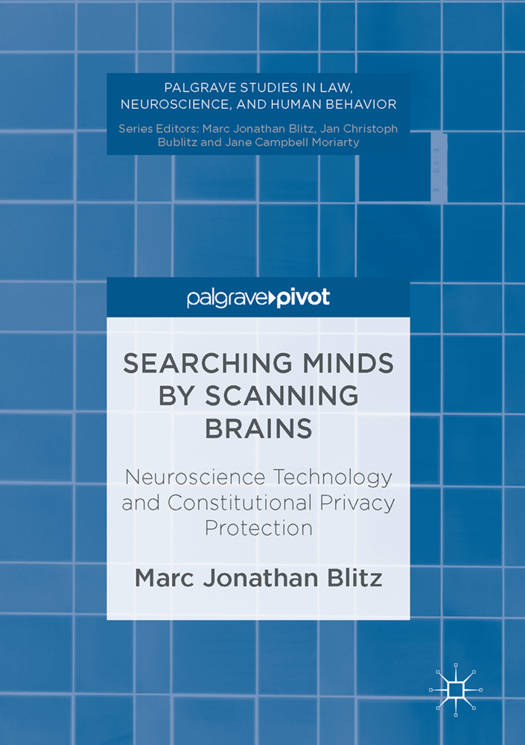
Searching Minds by Scanning Brains
Neuroscience Technology and Constitutional Privacy Protection
Marc Jonathan Blitz
€ 59,95
+ 119 punten
Uitvoering
Eenvoudig bestellen
Veilig betalen


Gratis thuislevering vanaf € 30 (via bpost)
Gratis levering in je Standaard Boekhandel
Omschrijving
This book examines the ethical and legal challenges presented by modern techniques of memory retrieval, especially within the context of potential use by the US government in courts of law. Specifically, Marc Blitz discusses the Fourth Amendment's protections against unreasonable searches and the Fifth Amendment's self-incrimination clause. He also argues that we should pay close attention to another constitutional provision that individuals generally don't think of as protecting their privacy: The First Amendment's freedom of speech. First Amendment values also protect our freedom of thought, and this--not simply our privacy--is what is at stake if government engaged in excessive monitoring of our minds.
Specificaties
Betrokkenen
- Auteur(s):
- Uitgeverij:
Inhoud
- Aantal bladzijden:
- 144
- Taal:
- Engels
- Reeks:
Eigenschappen
- Productcode (EAN):
- 9783319500034
- Verschijningsdatum:
- 27/03/2017
- Uitvoering:
- Hardcover
- Formaat:
- Genaaid
- Afmetingen:
- 148 mm x 210 mm
- Gewicht:
- 335 g


Alleen bij Standaard Boekhandel
+ 119 punten op je klantenkaart van Standaard Boekhandel
CADEAU

AANGERADEN


Beoordelingen
We publiceren alleen reviews die voldoen aan de voorwaarden voor reviews. Bekijk onze voorwaarden voor reviews.