


- Afhalen na 1 uur in een winkel met voorraad
- Gratis thuislevering in België vanaf € 30
- Ruim aanbod met 7 miljoen producten
- Afhalen na 1 uur in een winkel met voorraad
- Gratis thuislevering in België vanaf € 30
- Ruim aanbod met 7 miljoen producten





€ 93,45
+ 186 punten
Uitvoering
Omschrijving
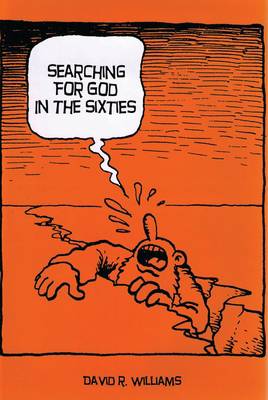
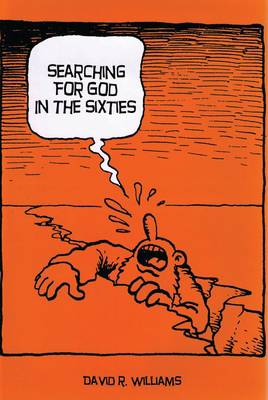
This paradigm-breaking book dares to rethink the whole of the '60s experience, not from a political or sociological viewpoint but from an historical/theological perspective. Camille Paglia wrote that 'the spiritual history of the sixties has yet to be written.' This is that book. The book's chapters each correspond to a line in Emily Dickinson's poem 'Finding is the first act.' The parallel to Dickinson's experience in the psychic wilderness demonstrates just how much the experience of the '60s was part of an ongoing American story not an aberration. Though it seems contradictory, this book argues for an appreciation of the three '60s: 1960s, 1860s, 1660s, each a chapter of the religious core of the American story.
Specificaties
Betrokkenen
- Auteur(s):
- Uitgeverij:
Inhoud
- Aantal bladzijden:
- 286
- Taal:
- Engels
Eigenschappen
- Productcode (EAN):
- 9781611493931
- Verschijningsdatum:
- 19/12/2011
- Uitvoering:
- Paperback
- Formaat:
- Trade paperback (VS)
- Afmetingen:
- 154 mm x 229 mm
- Gewicht:
- 435 g


Alleen bij Standaard Boekhandel
+ 186 punten op je klantenkaart van Standaard Boekhandel
Cadeau

AANGERADEN


Beoordelingen
We publiceren alleen reviews die voldoen aan de voorwaarden voor reviews. Bekijk onze voorwaarden voor reviews.