


- Afhalen na 1 uur in een winkel met voorraad
- Gratis thuislevering in België vanaf € 30
- Ruim aanbod met 7 miljoen producten
- Afhalen na 1 uur in een winkel met voorraad
- Gratis thuislevering in België vanaf € 30
- Ruim aanbod met 7 miljoen producten





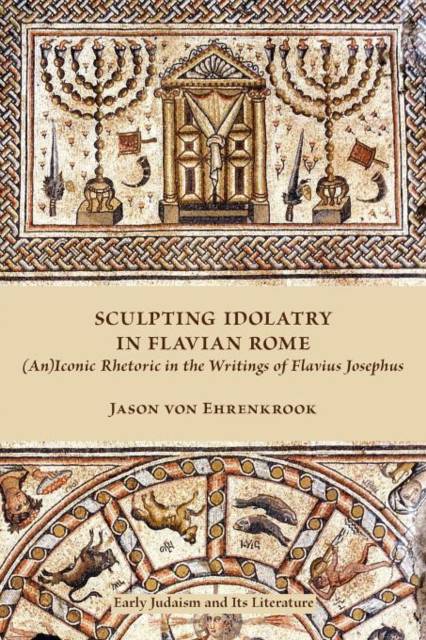
Sculpting Idolatry in Flavian Rome
(An)Iconic Rhetoric in the Writings of Flavius Josephus
Jason Von Ehrenkrook
€ 36,45
+ 72 punten
Omschrijving
This book investigates the discourse on idolatry and images, especially statues, in the writings of the Jewish historian Flavius Josephus, with a particular focus on his numerous accounts of a contentious and at times iconoclastic relationship between Jews and images. Placing this narrative material within a wider comparative context, both Jewish and non-Jewish, demonstrates that the impression of strict aniconism uniform and categorical opposition to all figurative art emerging from Josephus is in part a rhetorical construct, an effort to reframe Jewish iconoclastic behavior not as a resistance to Roman domination but as an expression of certain cultural values shared by Jews and Romans alike. Josephus thus articulates in this discourse on images an idea of Jewish identity that functioned to mitigate an increasingly tense relationship between Romans and Jews in the wake of the Jewish revolt against Rome.
Specificaties
Betrokkenen
- Auteur(s):
- Uitgeverij:
Inhoud
- Aantal bladzijden:
- 240
- Taal:
- Engels
- Reeks:
- Reeksnummer:
- nr. 33
Eigenschappen
- Productcode (EAN):
- 9781589836228
- Verschijningsdatum:
- 14/10/2011
- Uitvoering:
- Paperback
- Formaat:
- Trade paperback (VS)
- Afmetingen:
- 152 mm x 229 mm
- Gewicht:
- 358 g


Alleen bij Standaard Boekhandel
+ 72 punten op je klantenkaart van Standaard Boekhandel
Cadeau

AANGERADEN


Beoordelingen
We publiceren alleen reviews die voldoen aan de voorwaarden voor reviews. Bekijk onze voorwaarden voor reviews.