


- Afhalen na 1 uur in een winkel met voorraad
- Gratis thuislevering in België vanaf € 30
- Ruim aanbod met 7 miljoen producten
- Afhalen na 1 uur in een winkel met voorraad
- Gratis thuislevering in België vanaf € 30
- Ruim aanbod met 7 miljoen producten





€ 156,95
+ 313 punten
Omschrijving
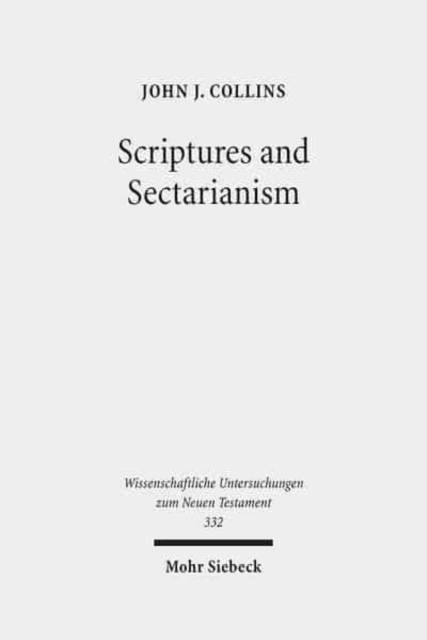
The Dead Sea Scrolls include many texts that were produced by a sectarian movement (and also many that were not). The movement had its origin in disputes about the interpretation of the Scriptures, especially the Torah, not in disputes about the priesthood as had earlier been assumed. The definitive break with the rest of Judean society should be dated to the first century BCE rather than to the second. John J. Collins illustrates how the worldview of the sect involved a heightened sense of involvement in the heavenly, angelic world, and the hope for an afterlife in communion with the angels. The essays in this volume are divided into three main sections, dealing with Scripture and Interpretation, History and Sectarianism, and Sectarian Worldview. The opening essay provides an overview of what we have learned from the Scrolls, and the last essay discusses the relation of the Scrolls to early Christianity.
Specificaties
Betrokkenen
- Auteur(s):
- Uitgeverij:
Inhoud
- Aantal bladzijden:
- 343
- Taal:
- Engels
- Reeks:
- Reeksnummer:
- nr. 332
Eigenschappen
- Productcode (EAN):
- 9783161532108
- Verschijningsdatum:
- 01/09/2014
- Uitvoering:
- Hardcover
- Formaat:
- Genaaid
- Afmetingen:
- 157 mm x 231 mm
- Gewicht:
- 657 g


Alleen bij Standaard Boekhandel
+ 313 punten op je klantenkaart van Standaard Boekhandel
Cadeau

AANGERADEN


Beoordelingen
We publiceren alleen reviews die voldoen aan de voorwaarden voor reviews. Bekijk onze voorwaarden voor reviews.