



Bedankt voor het vertrouwen het afgelopen jaar! Om jou te bedanken bieden we GRATIS verzending (in België) aan op alles gedurende de hele maand januari.
- Afhalen na 1 uur in een winkel met voorraad
- In januari gratis thuislevering in België
- Ruim aanbod met 7 miljoen producten
Bedankt voor het vertrouwen het afgelopen jaar! Om jou te bedanken bieden we GRATIS verzending (in België) aan op alles gedurende de hele maand januari.
- Afhalen na 1 uur in een winkel met voorraad
- In januari gratis thuislevering in België
- Ruim aanbod met 7 miljoen producten





Omschrijving
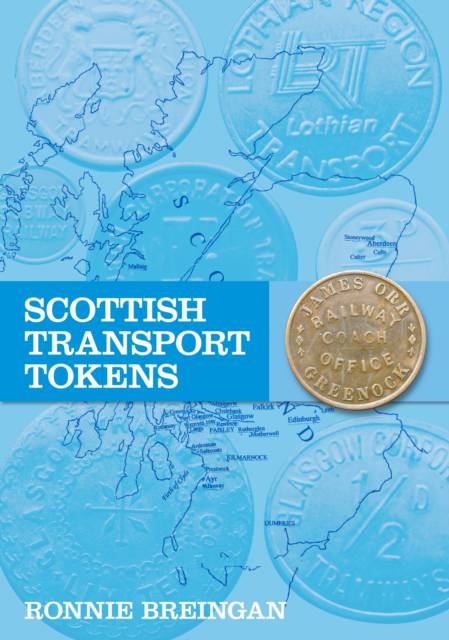
Most transport tokens in Scotland were introduced in the middle of the 19th century, but until recent years they did not attract many collectors. The collecting and study of tokens has now very much become a branch of numismatics. The early tokens were usually struck in brass, copper or bronze, but as we moved into the 20th century celluloid ones were introduced. From celluloid, various forms of plastic and fiber have been used as well as various metals, and this has continued right up to the present day. Tokens were in fact the tickets of their time. Paper tickets did not come into use until about the 1880s and in Glasgow on the tramways from the late 1870s. By selling a number of tokens, transport firms were assured of the custom of these passengers. This also saved the conductor--or guard as he was sometimes called--from handling cash and was thus also a security precaution.
Specificaties
Betrokkenen
- Auteur(s):
- Uitgeverij:
Inhoud
- Aantal bladzijden:
- 128
- Taal:
- Engels
Eigenschappen
- Productcode (EAN):
- 9780752447643
- Verschijningsdatum:
- 1/07/2009
- Uitvoering:
- Paperback
- Formaat:
- Trade paperback (VS)
- Afmetingen:
- 165 mm x 234 mm
- Gewicht:
- 340 g


Alleen bij Standaard Boekhandel
+ 41 punten op je klantenkaart van Standaard Boekhandel
SOLDEN


Beoordelingen
We publiceren alleen reviews die voldoen aan de voorwaarden voor reviews. Bekijk onze voorwaarden voor reviews.