


- Afhalen na 1 uur in een winkel met voorraad
- Gratis thuislevering in België vanaf € 30
- Ruim aanbod met 7 miljoen producten
- Afhalen na 1 uur in een winkel met voorraad
- Gratis thuislevering in België vanaf € 30
- Ruim aanbod met 7 miljoen producten





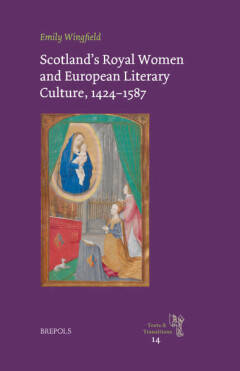
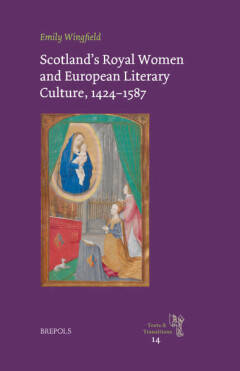
Scotland's Royal Women and European Literary Culture, 1424-1587
Emily Wingfield
€ 121,90
+ 243 punten
Omschrijving
Scotland's Royal Women and European Literary Culture, 1424-1587 seeks to fill a significant gap in the rich and ever-growing body of scholarly work on royal and aristocratic women's literary culture in the fifteenth and sixteenth centuries. There has, to date, been no book-length study of the literary activities of the female members of any one family across time and little study of Scotland's royal women in comparison to their European and English counterparts. This book adopts the missing diachronic perspective and examines the wives and daughters of Scotland's Stewart dynasty and their many and various associations with contemporary Scottish, English, and European literary culture over a period of just over 150 years. It also adopts a timely cross-border and cross-period perspective by taking a trans-national approach to the study of literary history and examining a range of texts and individuals from across the traditional medieval/early modern divide. In exploring the inter-related lives and letters of the women who married into the Scottish royal family from England and Europe - and those daughters who married outwith Scotland into Europe's royal families - the resultant study consistently looks beyond Scotland's land and sea borders. In so doing, it moves Scottish literary culture from the periphery to the centre of Europe and demonstrates the constitutive role that Scotland's royal women played in an essentially shared literary and artistic culture.
Specificaties
Betrokkenen
- Auteur(s):
- Uitgeverij:
Inhoud
- Aantal bladzijden:
- 448
- Taal:
- Engels
- Reeks:
- Reeksnummer:
- nr. 14
Eigenschappen
- Productcode (EAN):
- 9782503600291
- Verschijningsdatum:
- 16/01/2024
- Uitvoering:
- Hardcover
- Formaat:
- Genaaid
- Afmetingen:
- 165 mm x 241 mm
- Gewicht:
- 861 g


Alleen bij Standaard Boekhandel
+ 243 punten op je klantenkaart van Standaard Boekhandel
Cadeau

AANGERADEN


Beoordelingen
We publiceren alleen reviews die voldoen aan de voorwaarden voor reviews. Bekijk onze voorwaarden voor reviews.