


- Afhalen na 1 uur in een winkel met voorraad
- Gratis thuislevering in België vanaf € 30
- Ruim aanbod met 7 miljoen producten
- Afhalen na 1 uur in een winkel met voorraad
- Gratis thuislevering in België vanaf € 30
- Ruim aanbod met 7 miljoen producten





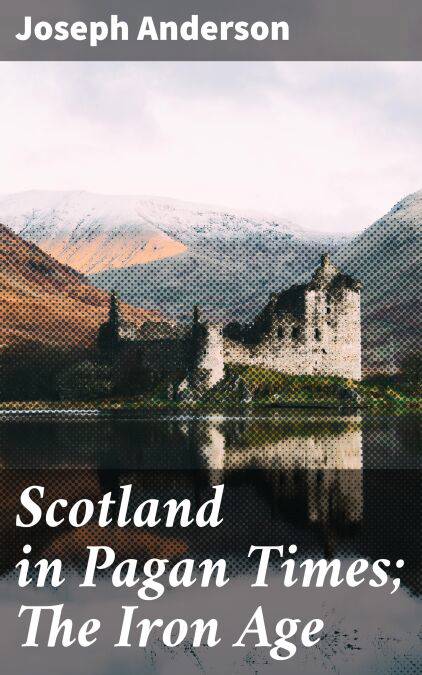
Scotland in Pagan Times; The Iron Age E-BOOK
Exploring Ancient Scottish Culture in the Iron Age
Joseph Anderson
E-book | Engels
€ 1,99
+ 1 punten
Eenvoudig bestellen
Veilig betalen


Onmiddellijk geleverd via e-mail
Omschrijving
In "Scotland in Pagan Times; The Iron Age," Joseph Anderson meticulously examines the cultural and archaeological landscapes of ancient Scotland during a pivotal historical epoch. Through a blend of rigorous scholarship and eloquent prose, Anderson delves into the sociopolitical dynamics, religious practices, and artistic expressions of Scotland's Iron Age inhabitants. He employs a systematic approach, drawing on an array of archaeological findings, historical texts, and comparative studies, thus situating Scotland's ancient civilizations within a broader European context. The book not only elucidates the material culture of the time but also raises profound questions about identity, continuity, and change in human societies. Joseph Anderson, a seminal figure in Scottish archaeology and a founding member of the Society of Antiquaries of Scotland, was deeply influenced by the rich archaeological heritage of his homeland. His extensive fieldwork and scholarly endeavors provided him with a unique perspective on the Iron Age, enabling him to challenge prevailing narratives and offer innovative interpretations of evidence. Anderson'Äôs commitment to integrating archaeology with historical analysis reflects his desire to foster a deeper understanding of Scotland's past and its enduring legacy. This compelling work is essential reading for anyone interested in the ancient history of Scotland, archaeology, and the intricate tapestry of human civilization. Anderson's insightful synthesis of archaeological evidence with cultural narratives serves not only to inform but also to inspire readers to appreciate the complexities of Scotland's rich past. Whether you are a scholar, student, or history enthusiast, this book illuminates a fascinating period that still resonates today.
Specificaties
Betrokkenen
- Auteur(s):
- Uitgeverij:
Inhoud
- Aantal bladzijden:
- 10676
- Taal:
- Engels
Eigenschappen
- Productcode (EAN):
- 4057664648020
- Verschijningsdatum:
- 20/11/2019
- Uitvoering:
- E-book
- Beveiligd met:
- Digital watermarking
- Formaat:
- ePub


Alleen bij Standaard Boekhandel
+ 1 punten op je klantenkaart van Standaard Boekhandel
CADEAU

AANGERADEN


Beoordelingen
We publiceren alleen reviews die voldoen aan de voorwaarden voor reviews. Bekijk onze voorwaarden voor reviews.