


- Afhalen na 1 uur in een winkel met voorraad
- Gratis thuislevering in België vanaf € 30
- Ruim aanbod met 7 miljoen producten
- Afhalen na 1 uur in een winkel met voorraad
- Gratis thuislevering in België vanaf € 30
- Ruim aanbod met 7 miljoen producten





€ 44,45
+ 88 punten
Omschrijving
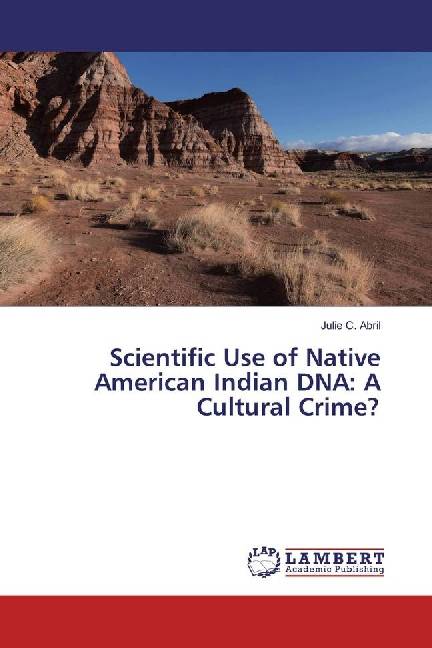
In this essay originally prepared while a graduate student at the University of California, Irvine within the School of Social Ecology, Department of Criminology, Law and Society, the question of informed consent regarding cultural risks and harms of scientists collecting genetic data samples, e.g. blood, saliva, and hair, from Native American Indians to their larger tribal communities are addressed. It was found that Native American Indian tribes are often not well informed about the cultural harms and risks of participating in DNA genetic material data collection efforts, i.e. blood, saliva, and hair sampling, taken from their individual tribal members. I thank Kitty Calavita for teaching me this about conducting scientific research, "If it's not ethical, then it's not doable." All errors contained in this report, however, are solely those of the author and no others.
Specificaties
Betrokkenen
- Auteur(s):
- Uitgeverij:
Inhoud
- Aantal bladzijden:
- 144
- Taal:
- Engels
Eigenschappen
- Productcode (EAN):
- 9783659958045
- Uitvoering:
- Paperback
- Afmetingen:
- 150 mm x 220 mm


Alleen bij Standaard Boekhandel
+ 88 punten op je klantenkaart van Standaard Boekhandel
CADEAU


Beoordelingen
We publiceren alleen reviews die voldoen aan de voorwaarden voor reviews. Bekijk onze voorwaarden voor reviews.