



Bedankt voor het vertrouwen het afgelopen jaar! Om jou te bedanken bieden we GRATIS verzending (in België) aan op alles gedurende de hele maand januari.
- Afhalen na 1 uur in een winkel met voorraad
- In januari gratis thuislevering in België
- Ruim aanbod met 7 miljoen producten
Bedankt voor het vertrouwen het afgelopen jaar! Om jou te bedanken bieden we GRATIS verzending (in België) aan op alles gedurende de hele maand januari.
- Afhalen na 1 uur in een winkel met voorraad
- In januari gratis thuislevering in België
- Ruim aanbod met 7 miljoen producten





Omschrijving
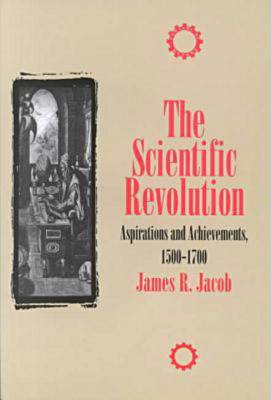
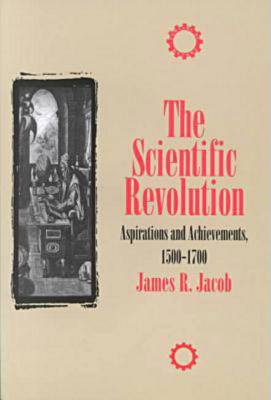
An introduction to a large and complicated subject, which has come to be called the Scientific Revolution, this book refers to the fundamental changes in our understanding of the natural world that occurred in the sixteenth and seventeenth centuries. These changes led to a rejection of ancient and medieval thinking about the universe in favor of the new thinking that gave birth to modern science.Professor Jacob does not pretend to tell the whole story of this momentous transformation, which is perhaps more important than any other in modern history. But he does highlight and survey what are often considered to be the six principal developments associated with this shift from old to new science. The six changes are: first, the abandonment of an ancient Greek picture of an earth-centered universe and its replacement by the modern picture of a solar system surrounded by an enormous universe; second, the gradual rejection of the Aristotelian binary physics in favor of the modern physics of universal forces; third, a medical revolution that culminated in the discovery of the circulation of the blood, and put animal (and human) physiology on a new foundation; fourth, the shift from an Aristotelian theory of knowledge to a modern skepticism; fifth, the development of new methods for establishing scientific certainty; and, finally, the founding of the world's first national, government-sponsored scientific societies for promoting research, spreading scientific knowledge, and stimulating inquiry.
Specificaties
Betrokkenen
- Auteur(s):
- Uitgeverij:
Inhoud
- Aantal bladzijden:
- 166
- Taal:
- Engels
- Reeks:
Eigenschappen
- Productcode (EAN):
- 9781573925464
- Verschijningsdatum:
- 1/03/1998
- Uitvoering:
- Paperback
- Formaat:
- Trade paperback (VS)
- Afmetingen:
- 153 mm x 227 mm
- Gewicht:
- 240 g


Alleen bij Standaard Boekhandel
+ 88 punten op je klantenkaart van Standaard Boekhandel
SOLDEN


Beoordelingen
We publiceren alleen reviews die voldoen aan de voorwaarden voor reviews. Bekijk onze voorwaarden voor reviews.