


- Afhalen na 1 uur in een winkel met voorraad
- Gratis thuislevering in België vanaf € 30
- Ruim aanbod met 7 miljoen producten
- Afhalen na 1 uur in een winkel met voorraad
- Gratis thuislevering in België vanaf € 30
- Ruim aanbod met 7 miljoen producten





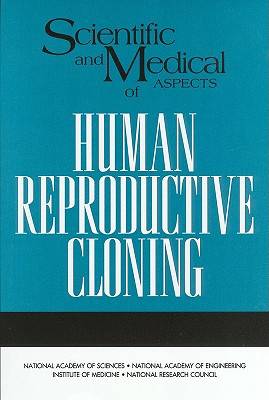
Scientific and Medical Aspects of Human Reproductive Cloning
National Research Council, Division on Earth and Life Studies, Board on Life Sciences, Policy and Global Affairs, Engineering, and Public Policy Committee on Science
€ 71,45
+ 142 punten
Eenvoudig bestellen
Veilig betalen


Gratis thuislevering vanaf € 30 (via bpost)
Gratis levering in je Standaard Boekhandel
Omschrijving
Human reproductive cloning is an assisted reproductive technology that would be carried out with the goal of creating a newborn genetically identical to another human being. This work considers the scientific and medical sides of this issue and ethical issues that pertain to human-subjects research.
Specificaties
Betrokkenen
- Auteur(s):
- Uitgeverij:
Inhoud
- Aantal bladzijden:
- 294
- Reeks:
Eigenschappen
- Productcode (EAN):
- 9780309076371
- Verschijningsdatum:
- 17/05/2002
- Uitvoering:
- Paperback
- Afmetingen:
- 152 mm x 229 mm
- Gewicht:
- 478 g


Alleen bij Standaard Boekhandel
+ 142 punten op je klantenkaart van Standaard Boekhandel
CADEAU

AANGERADEN


Beoordelingen
We publiceren alleen reviews die voldoen aan de voorwaarden voor reviews. Bekijk onze voorwaarden voor reviews.