


- Afhalen na 1 uur in een winkel met voorraad
- Gratis thuislevering in België vanaf € 30
- Ruim aanbod met 7 miljoen producten
- Afhalen na 1 uur in een winkel met voorraad
- Gratis thuislevering in België vanaf € 30
- Ruim aanbod met 7 miljoen producten





€ 38,45
+ 76 punten
Uitvoering
Eenvoudig bestellen
Veilig betalen


Gratis thuislevering vanaf € 30 (via bpost)
Gratis levering in je Standaard Boekhandel
Omschrijving
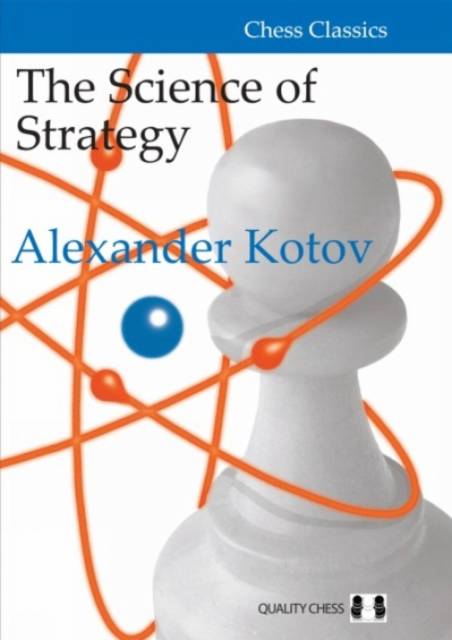
Chess is a strategically deep game and it is no surprise that players often struggle to find the right strategy over the board. Computers may be able to show a good move in a position, but they can't explain how it should fit into an overall plan. In The Science of Strategy, Alexander Kotov takes a methodical approach to this mysterious subject, breaking it down into clear themes. He starts with the crucial role of the pawn in chess, before systematically discussing a series of key strategic elements to complete the overall picture. Finally, building on what has gone before, one of the most difficult aspects of chess is discussed: the ability to evaluate a position and conceive a plan on the basis of this evaluation. Kotov's clear and methodical style makes this book an ideal guide to chess strategy. He describes the chess in words rather than relying overmuch on variations, and illustrates his ideas in insightfully annotated positional games, with the likes of Alekhine, Botvinnik and Karpov featuring heavily.
Specificaties
Betrokkenen
- Auteur(s):
- Uitgeverij:
Inhoud
- Aantal bladzijden:
- 240
- Taal:
- Engels
- Reeks:
Eigenschappen
- Productcode (EAN):
- 9781784830809
- Verschijningsdatum:
- 3/04/2019
- Uitvoering:
- Hardcover
- Formaat:
- Genaaid
- Afmetingen:
- 240 mm x 170 mm
- Gewicht:
- 594 g


Alleen bij Standaard Boekhandel
+ 76 punten op je klantenkaart van Standaard Boekhandel
CADEAU

AANGERADEN


Beoordelingen
We publiceren alleen reviews die voldoen aan de voorwaarden voor reviews. Bekijk onze voorwaarden voor reviews.