



Je cadeautjes zeker op tijd in huis hebben voor de feestdagen? Kom langs in onze winkels en vind het perfecte geschenk!
- Afhalen na 1 uur in een winkel met voorraad
- Gratis thuislevering in België vanaf € 30
- Ruim aanbod met 7 miljoen producten
Je cadeautjes zeker op tijd in huis hebben voor de feestdagen? Kom langs in onze winkels en vind het perfecte geschenk!
- Afhalen na 1 uur in een winkel met voorraad
- Gratis thuislevering in België vanaf € 30
- Ruim aanbod met 7 miljoen producten





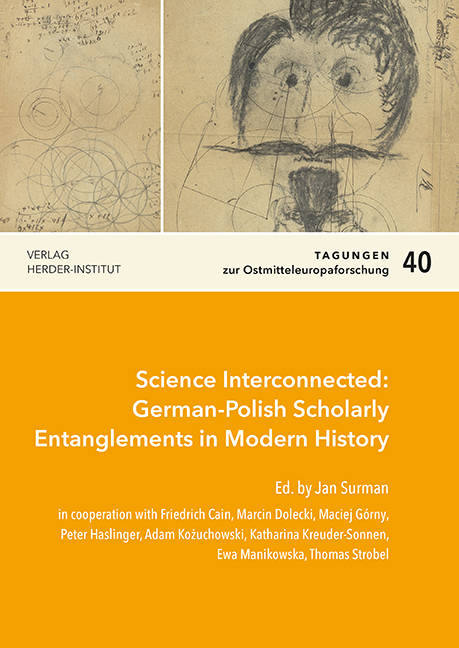
Science Interconnected: German-Polish Scholarly Entanglements in Modern History
€ 56,45
+ 112 punten
Omschrijving
From the Middle Ages to the present, intercultural exchange has shaped knowledge and scholarship in Central Europe. While nationalism, practical and methodological, as well as memory practices created a clear-cut vision of German-Polish scholarly contacts, this volume proposes interconnectedness, entanglement and circulation as new modes of inquiry. Based on examples ranging from architectural knowledge to philosophy and from archaeology to physical chemistry, contributions to this volume seek for alternative ways to tell the stories of scholarly relations in the space shaped not only by multilinguality, but also by power inequalities, imperialism and nationalisms. In particular, they counter the widespread center-periphery dependence by concentrating on encounters and sites "in between" as privileged places of inquiry. Last but not least, they put to the test the prevailing categories of historical research of the space in question, highlighting the variety of identifications and ways they impacted scholarly communication.
Specificaties
Betrokkenen
- Uitgeverij:
Inhoud
- Aantal bladzijden:
- 354
- Taal:
- Duits
- Reeks:
- Reeksnummer:
- nr. 40
Eigenschappen
- Productcode (EAN):
- 9783879694662
- Uitvoering:
- Paperback
- Afmetingen:
- 170 mm x 20 mm
- Gewicht:
- 676 g

Alleen bij Standaard Boekhandel
+ 112 punten op je klantenkaart van Standaard Boekhandel
CADEAU


Beoordelingen
We publiceren alleen reviews die voldoen aan de voorwaarden voor reviews. Bekijk onze voorwaarden voor reviews.