


- Afhalen na 1 uur in een winkel met voorraad
- Gratis thuislevering in België vanaf € 30
- Ruim aanbod met 7 miljoen producten
- Afhalen na 1 uur in een winkel met voorraad
- Gratis thuislevering in België vanaf € 30
- Ruim aanbod met 7 miljoen producten





€ 178,95
+ 357 punten
Omschrijving
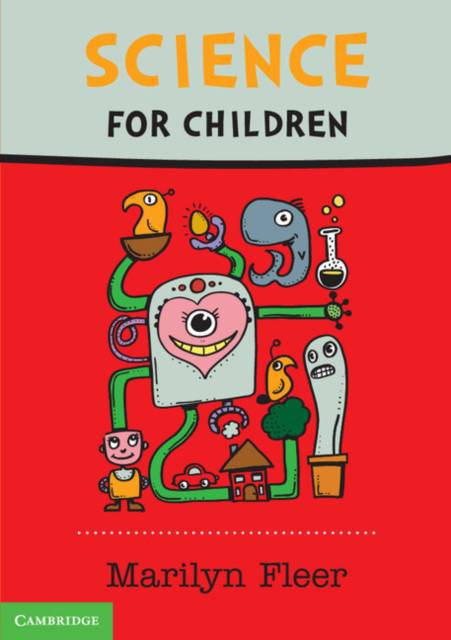
Science for Children introduces readers to the pedagogy of primary and early childhood science education. The book pays special attention to the three strands of science, in accordance with the Australian Curriculum. It also uses the practice principles and learning outcomes of the national Early Years Learning Framework to present content for babies through to the transition into the Foundation year at school. Science for Children explores various approaches to teaching and learning in science. It covers inquiry approaches in detail; makes explicit links to the 5Es; critiques longstanding approaches, such as discovery approaches and a transmission approach; and explores Indigenous perspectives and a Vygotskian framework. This allows the reader to make informed choices about when to use a particular approach in primary classrooms and early childhood settings. Designed to prepare future educators for practice, Science for Children challenges students and offers practical classroom-based strategies for their science teaching careers.
Specificaties
Betrokkenen
- Auteur(s):
- Uitgeverij:
Inhoud
- Aantal bladzijden:
- 360
- Taal:
- Engels
Eigenschappen
- Productcode (EAN):
- 9781107548701
- Verschijningsdatum:
- 8/09/2015
- Uitvoering:
- Paperback
- Formaat:
- Trade paperback (VS)
- Afmetingen:
- 177 mm x 250 mm
- Gewicht:
- 603 g


Alleen bij Standaard Boekhandel
+ 357 punten op je klantenkaart van Standaard Boekhandel
Cadeau

AANGERADEN


Beoordelingen
We publiceren alleen reviews die voldoen aan de voorwaarden voor reviews. Bekijk onze voorwaarden voor reviews.