


- Afhalen na 1 uur in een winkel met voorraad
- Gratis thuislevering in België vanaf € 30
- Ruim aanbod met 7 miljoen producten
- Afhalen na 1 uur in een winkel met voorraad
- Gratis thuislevering in België vanaf € 30
- Ruim aanbod met 7 miljoen producten





€ 42,00
+ 84 punten
Omschrijving
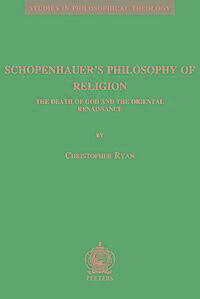
This book is the first comprehensive study of Schopenhauer's philosophy of religion. It develops a contextual account of Schopenhauer's relation to the religions of India by placing his interpretation of their main doctrines within the perspective of his diagnosis of the religious situation in nineteenth-century Europe, and his revised conception of the proper content and methods of metaphysical philosophy in the wake of Kant. It shows that Schopenhauer's encounter with the religions of India was the stimulus for his formulation of a novel theory of a revitalised modern Christianity. The possibility of an oriental renaissance prompted Schopenhauer to argue that Christianity's immanent or ethical teachings needed to be severed from its supernatural or metaphysical doctrines, so that European culture could continue to satisfy the human need for a metaphysical interpretation of the world and life. This book will be of interest to philosophers, theologians, students of religion and modern intellectual history.
Specificaties
Betrokkenen
- Auteur(s):
- Uitgeverij:
Inhoud
- Aantal bladzijden:
- 249
- Taal:
- Engels
- Reeks:
- Reeksnummer:
- nr. 43
Eigenschappen
- Productcode (EAN):
- 9789042922150
- Verschijningsdatum:
- 24/02/2010
- Uitvoering:
- Paperback
- Formaat:
- Trade paperback (VS)
- Afmetingen:
- 160 mm x 239 mm
- Gewicht:
- 408 g


Alleen bij Standaard Boekhandel
+ 84 punten op je klantenkaart van Standaard Boekhandel
Cadeau

AANGERADEN


Beoordelingen
We publiceren alleen reviews die voldoen aan de voorwaarden voor reviews. Bekijk onze voorwaarden voor reviews.