


- Afhalen na 1 uur in een winkel met voorraad
- Gratis thuislevering in België vanaf € 30
- Ruim aanbod met 7 miljoen producten
- Afhalen na 1 uur in een winkel met voorraad
- Gratis thuislevering in België vanaf € 30
- Ruim aanbod met 7 miljoen producten





€ 254,45
+ 508 punten
Uitvoering
Omschrijving
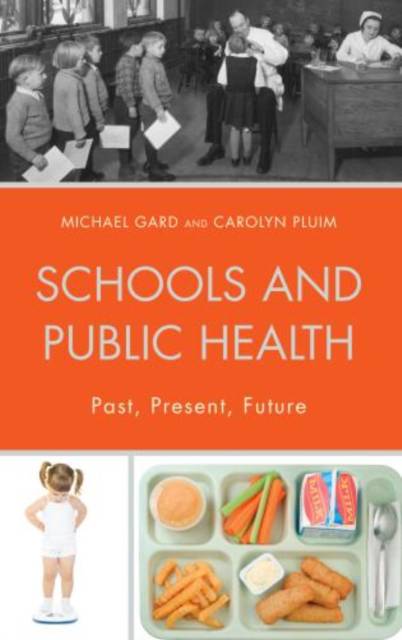
Schools and Public Health is a meditation on the past, present, and future of the relationship between public health and American public schools. Gard and Pluim begin by developing a historical account of the way schools have been used in the public health policy arena in America. They then look in detail at more contemporary examples of school-based public health policies and initiatives in order to come to a judgment about whether and to what extent it makes sense to use schools in this way. With this is as the foundation, the book then offers answers to the question of why schools have so readily been drawn into public health policy formulations. First, seeing schools as a kind of 'miracle factory' is a long standing habit of mind that discourages careful consideration of alternative public health strategies. Second, schools have been implicated in public health policy in strategic ways by actors often with unstated political, cultural, ideological, and financial motivations. Finally, the authors call for a more sophisticated approach to public health policy in schools and suggest some criteria for judging the potential efficacy of school-based interventions. In short, the potential effectiveness of proposed interventions needs to be assessed not only against existing historical evidence, but also against the competing roles society expects schools to play and the working-life realities for those charged with implementing public health policies in schools.
Specificaties
Betrokkenen
- Auteur(s):
- Uitgeverij:
Inhoud
- Aantal bladzijden:
- 276
- Taal:
- Engels
- Reeks:
Eigenschappen
- Productcode (EAN):
- 9780739172582
- Verschijningsdatum:
- 18/06/2014
- Uitvoering:
- Hardcover
- Formaat:
- Ongenaaid / garenloos gebonden
- Afmetingen:
- 155 mm x 229 mm
- Gewicht:
- 539 g


Alleen bij Standaard Boekhandel
+ 508 punten op je klantenkaart van Standaard Boekhandel
Cadeau

AANGERADEN


Beoordelingen
We publiceren alleen reviews die voldoen aan de voorwaarden voor reviews. Bekijk onze voorwaarden voor reviews.