


- Afhalen na 1 uur in een winkel met voorraad
- Gratis thuislevering in België vanaf € 30
- Ruim aanbod met 7 miljoen producten
- Afhalen na 1 uur in een winkel met voorraad
- Gratis thuislevering in België vanaf € 30
- Ruim aanbod met 7 miljoen producten





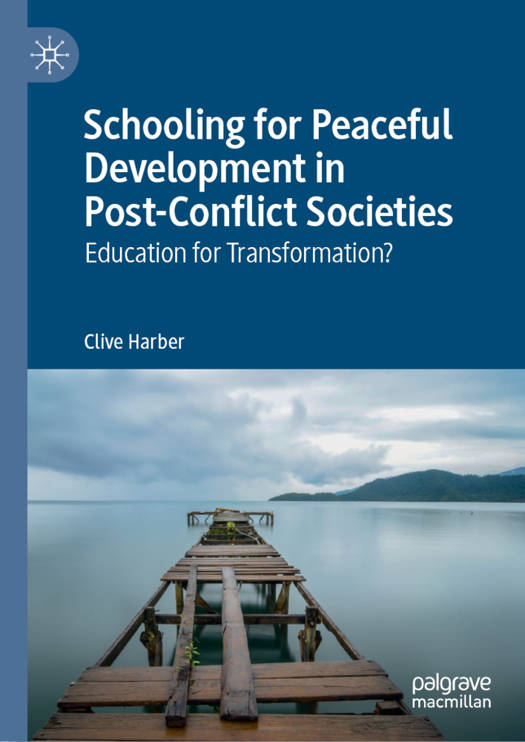
Schooling for Peaceful Development in Post-Conflict Societies
Education for Transformation?
Clive Harber
Hardcover | Engels
€ 97,45
+ 194 punten
Omschrijving
This book explores how, and if, formal education affects peacebuilding in post-conflict societies. As schooling is often negatively implicated in violent conflict, the author highlights the widely expressed need to 'build back better' and 'transform' schooling by changing both its structures and processes, and its curriculum. Drawing upon research from a wide range of post-conflict developing societies including Cambodia, Colombia and Kenya, the author examines whether there is any empirical support for the idea that schooling can be transformed so it can contribute to more peaceful and democratic societies. In doing so, the author reveals how the 'myth' of building back better is perpetuated by academics and international organisations, and explains why formal education in post-conflict developing societies is so impervious to radical change. This important volume will appeal to students and scholars of education in post-conflict societies.
Specificaties
Betrokkenen
- Auteur(s):
- Uitgeverij:
Inhoud
- Aantal bladzijden:
- 306
- Taal:
- Engels
Eigenschappen
- Productcode (EAN):
- 9783030176884
- Verschijningsdatum:
- 13/05/2019
- Uitvoering:
- Hardcover
- Formaat:
- Genaaid
- Afmetingen:
- 148 mm x 210 mm
- Gewicht:
- 535 g


Alleen bij Standaard Boekhandel
+ 194 punten op je klantenkaart van Standaard Boekhandel
Cadeau

AANGERADEN


Beoordelingen
We publiceren alleen reviews die voldoen aan de voorwaarden voor reviews. Bekijk onze voorwaarden voor reviews.