


- Afhalen na 1 uur in een winkel met voorraad
- Gratis thuislevering in België vanaf € 30
- Ruim aanbod met 7 miljoen producten
- Afhalen na 1 uur in een winkel met voorraad
- Gratis thuislevering in België vanaf € 30
- Ruim aanbod met 7 miljoen producten





€ 139,95
+ 279 punten
Uitvoering
Omschrijving
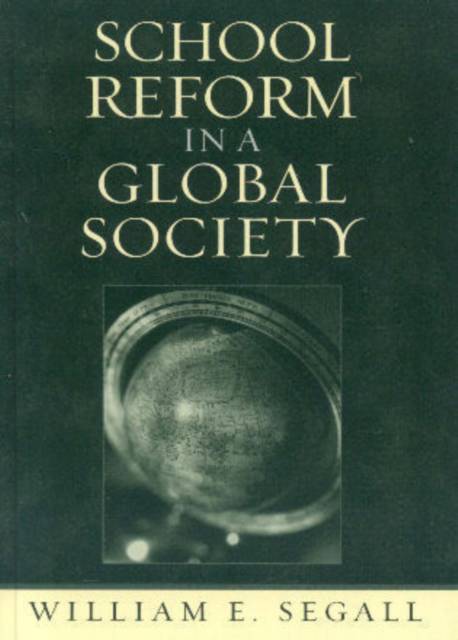
School Reform in a Global Society is about how a silent, wealthy upper class in the United States waited until the end of the Twentieth Century to transform America into something it once was during the Age of the Robber Barons. Known today as neoliberals, this nostalgic elite, craving the return of the unregulated capitalism of the nineteenth century, see themselves as the new Victorian imperialists. Using the term globalization to mean economic colonialism, their corporate policies force Third World governments, parents and children alike to accept schooling that disregards and damages their cultures. Even in the United States they discovered they could not create their nineteenth century imperial nirvana without first forcing schools to develop an obedient working class that swore allegiance to them. This social history of schools, capitalism, colonialism and its child named globalization is about how those who crave wealth and power are willing to gamble away the lives of American youth to satisfy their dreams of past economic glory.
Specificaties
Betrokkenen
- Auteur(s):
- Uitgeverij:
Inhoud
- Aantal bladzijden:
- 253
- Taal:
- Engels
Eigenschappen
- Productcode (EAN):
- 9780742524606
- Verschijningsdatum:
- 23/03/2006
- Uitvoering:
- Hardcover
- Formaat:
- Genaaid
- Afmetingen:
- 154 mm x 236 mm
- Gewicht:
- 467 g



Alleen bij Standaard Boekhandel
+ 279 punten op je klantenkaart van Standaard Boekhandel
Cadeau

AANGERADEN


Beoordelingen
We publiceren alleen reviews die voldoen aan de voorwaarden voor reviews. Bekijk onze voorwaarden voor reviews.