


- Afhalen na 1 uur in een winkel met voorraad
- Gratis thuislevering in België vanaf € 30
- Ruim aanbod met 7 miljoen producten
- Afhalen na 1 uur in een winkel met voorraad
- Gratis thuislevering in België vanaf € 30
- Ruim aanbod met 7 miljoen producten





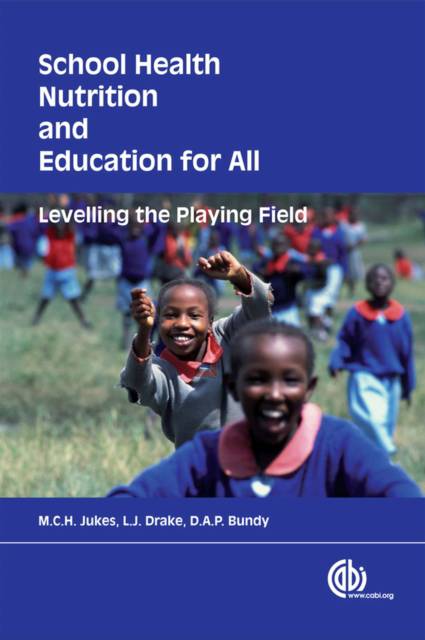
School Health, Nutrition and Education for All
Levelling the Playing Field
Matthew Jukes, Lesley Drake, Donald Bundy
Paperback | Engels
€ 65,45
+ 130 punten
Omschrijving
Providing good quality education to all children in the poorest countries of the world is not a simple task. However, improving children's health and nutrition is one simple step that can be taken towards achieving this goal. Health and nutrition programmes offer substantial benefits to children's education, helping them to attend school and learn while there. What is more, the education of the poorest in society benefits the most from such programmes because the poor are more likely to suffer from ill health or poor nutrition and are also more likely to experience a disruption in their learning as a result. School health and nutrition programmes make use of the education system to deliver simple treatments for common conditions. The result is a highly cost-effective way to reduce inequalities in education and to help all children around the world reach their educational potential. This argument is examined through a discussion of the challenges to child health and nutrition and the impact of these on education and an analysis of the costs, benefits and policy options involved in the implementation of health and nutrition programmes in schools. Providing a simple and achievable solution to improving access, gender equity and the quality of basic education, this book will be essential to policy makers, educational and health organizations and researchers in international development, public health, psychology and education.
Specificaties
Betrokkenen
- Auteur(s):
- Uitgeverij:
Inhoud
- Aantal bladzijden:
- 160
- Taal:
- Engels
Eigenschappen
- Productcode (EAN):
- 9781845933111
- Verschijningsdatum:
- 18/12/2007
- Uitvoering:
- Paperback
- Formaat:
- Trade paperback (VS)
- Afmetingen:
- 155 mm x 231 mm
- Gewicht:
- 272 g


Alleen bij Standaard Boekhandel
+ 130 punten op je klantenkaart van Standaard Boekhandel
Cadeau

AANGERADEN


Beoordelingen
We publiceren alleen reviews die voldoen aan de voorwaarden voor reviews. Bekijk onze voorwaarden voor reviews.