


- Afhalen na 1 uur in een winkel met voorraad
- Gratis thuislevering in België vanaf € 30
- Ruim aanbod met 7 miljoen producten
- Afhalen na 1 uur in een winkel met voorraad
- Gratis thuislevering in België vanaf € 30
- Ruim aanbod met 7 miljoen producten





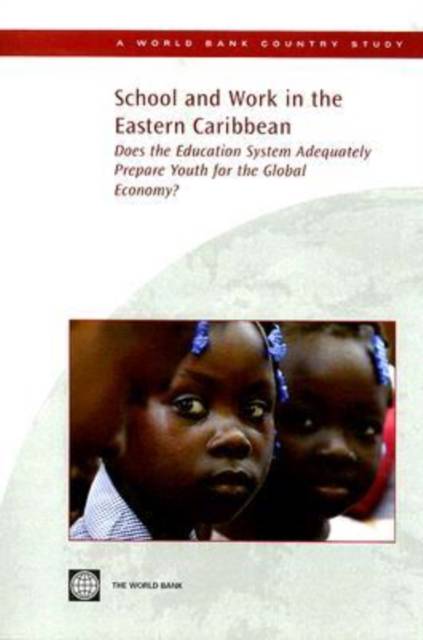
School and Work in the Eastern Caribbean
Does the Education System Adequately Prepare Youth for the Global Economy?
World Bank
€ 33,95
+ 67 punten
Omschrijving
As the global economy rapidly changes and new technologies are introduced, more highly skilled workers are required. In the countries of the Organization of Eastern Caribbean States (OECS), firms struggle to fill skill positions due to a lack of qualified candidates, while the number of unemployed low skilled workers is growing. This paradox especially affects youth. Even during recent economic booms, youth unemployment has remained high, indicating a mismatch between skills acquired in school and the critical skills demanded by the labor market. More relevant education and training is needed to prepare young people for the demands of work. This report reviews the CARICOM Single Market Economy and resulting free movement of labor, and the implications this has for common standards and certifications. The study provides in-depth analysis and relevant international cutting-edge practices to guide policymakers, educators, and private sector leaders in fostering a creative, productive, and well-paid workforce. Specifically, it makes the case for why the education and training systems in OECS member countries need to be more responsive to changing labor market demands in the region, taking into consideration the latest education and training policies in the region.
Specificaties
Betrokkenen
- Auteur(s):
- Uitgeverij:
Inhoud
- Aantal bladzijden:
- 88
- Taal:
- Engels
- Reeks:
Eigenschappen
- Productcode (EAN):
- 9780821374580
- Verschijningsdatum:
- 18/03/2008
- Uitvoering:
- Paperback
- Formaat:
- Trade paperback (VS)
- Afmetingen:
- 179 mm x 250 mm
- Gewicht:
- 172 g


Alleen bij Standaard Boekhandel
+ 67 punten op je klantenkaart van Standaard Boekhandel
Cadeau

AANGERADEN


Beoordelingen
We publiceren alleen reviews die voldoen aan de voorwaarden voor reviews. Bekijk onze voorwaarden voor reviews.