


- Afhalen na 1 uur in een winkel met voorraad
- Gratis thuislevering in België vanaf € 30
- Ruim aanbod met 7 miljoen producten
- Afhalen na 1 uur in een winkel met voorraad
- Gratis thuislevering in België vanaf € 30
- Ruim aanbod met 7 miljoen producten





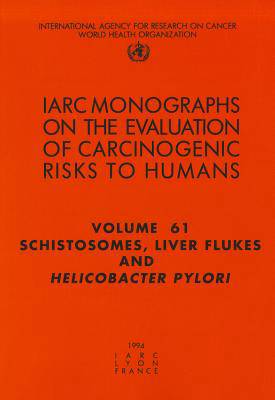
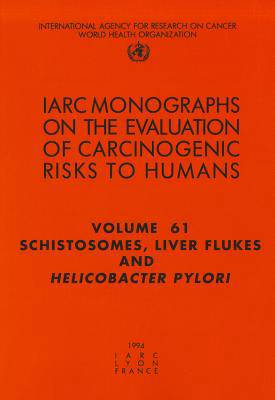
Schistosomes, Liver Flukes and Helicobacter Pylori
The International Agency for Research on Cancer
€ 100,95
+ 201 punten
Omschrijving
Evaluates the carcinogenic risk to humans posed by infection with three schistosoma trematodes, three liver flukes and the bacterium Helicobacter pylori. These biological agents were selected for evaluation on the basis of evidence suggesting a causal association between infection and the development of human cancers.
The first monograph assesses data on Schistosoma haematobium S. mansoni and S. japonicum, the three species which account for the vast majority of schistosomal disease in humans. The most extensive sections evaluate the results of studies of cancer in humans and experimental animals, concentrating on the strength of evidence linking infection with S. haematobium to squamous-cell carcinoma of the urinary bladder, and infection with S. mansoni or S. japonicum to an increased risk for cancers of the gastrointestinal tract. The monograph concludes that infection with S. haematobium is carcinogenic to humans and that infection with S. japonicum is possibly carcinogenic to humans; infection with S. mansoni could not be classified.
The second monograph on liver flukes evaluates data on Opisthorchis viverrini O. felineus and Clonorchis sinensis. These foodborne trematodes establish a chronic infection of the bile ducts and more rarely the pancreatic duct and gall-bladder of humans and other mammals. Most carcinogenicity data centre on the possibility that these trematodes are involved in the development of cholangiocarcinoma or liver cancer. The monograph concludes that infection with O. viverrini is carcinogenic to humans and that infection with C. sinensis is probably carcinogenic to humans; infection with O. felineus could not be classified.
The final monograph evaluates data on Helicobacter pylori. More than half of the world's population may be infected with this bacterium, which is responsible for most cases of chronic gastritis and duodenal ulcer. Citing several studies linking infection to gastric cancer in humans, the monograph concludes that infection with H. pylori is carcinogenic to humans.
The first monograph assesses data on Schistosoma haematobium S. mansoni and S. japonicum, the three species which account for the vast majority of schistosomal disease in humans. The most extensive sections evaluate the results of studies of cancer in humans and experimental animals, concentrating on the strength of evidence linking infection with S. haematobium to squamous-cell carcinoma of the urinary bladder, and infection with S. mansoni or S. japonicum to an increased risk for cancers of the gastrointestinal tract. The monograph concludes that infection with S. haematobium is carcinogenic to humans and that infection with S. japonicum is possibly carcinogenic to humans; infection with S. mansoni could not be classified.
The second monograph on liver flukes evaluates data on Opisthorchis viverrini O. felineus and Clonorchis sinensis. These foodborne trematodes establish a chronic infection of the bile ducts and more rarely the pancreatic duct and gall-bladder of humans and other mammals. Most carcinogenicity data centre on the possibility that these trematodes are involved in the development of cholangiocarcinoma or liver cancer. The monograph concludes that infection with O. viverrini is carcinogenic to humans and that infection with C. sinensis is probably carcinogenic to humans; infection with O. felineus could not be classified.
The final monograph evaluates data on Helicobacter pylori. More than half of the world's population may be infected with this bacterium, which is responsible for most cases of chronic gastritis and duodenal ulcer. Citing several studies linking infection to gastric cancer in humans, the monograph concludes that infection with H. pylori is carcinogenic to humans.
Specificaties
Betrokkenen
- Auteur(s):
- Uitgeverij:
Inhoud
- Aantal bladzijden:
- 270
- Taal:
- Engels
- Reeks:
- Reeksnummer:
- nr. 76
Eigenschappen
- Productcode (EAN):
- 9789283212614
- Verschijningsdatum:
- 1/11/1994
- Uitvoering:
- Paperback
- Formaat:
- Trade paperback (VS)
- Afmetingen:
- 173 mm x 239 mm
- Gewicht:
- 476 g


Alleen bij Standaard Boekhandel
+ 201 punten op je klantenkaart van Standaard Boekhandel

Beoordelingen
We publiceren alleen reviews die voldoen aan de voorwaarden voor reviews. Bekijk onze voorwaarden voor reviews.