


- Afhalen na 1 uur in een winkel met voorraad
- Gratis thuislevering in België vanaf € 30
- Ruim aanbod met 7 miljoen producten
- Afhalen na 1 uur in een winkel met voorraad
- Gratis thuislevering in België vanaf € 30
- Ruim aanbod met 7 miljoen producten





Schipluiden
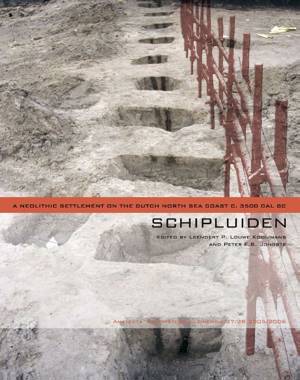
A Neolithic Settlement on the Dutch North Sea Coast C. 3500 Cal BC
€ 74,95
+ 149 punten
Omschrijving
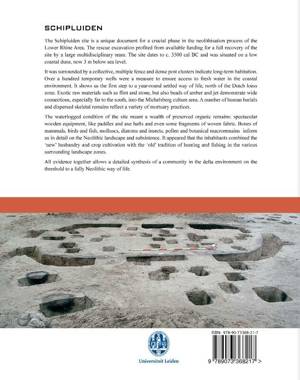
The Schipluiden site is a unique document for a crucial phase in the neolithisation process of the Lower Rhine Area. The rescue excavation profited from available funding for a full recovery of the site by a large multidisciplinary team. The site dates to c. 3500 cal BC and was situated on a low coastal dune, now 3m below sea level.
It was surrounded by a collective, multiple fence and dense post clusters indicate long-term habitation. Over a hundred temporary wells were a measure to ensure access to fresh water in the coastal environment. It shows us the first step to a year-round settled way of life, north of the Dutch loess zone. Exotic raw materials such as flint and stone, but also beads of amber and jet demonstrate wide connections, especially far to the south, into the Michelsberg culture area. A number of human burials and dispersed skeletal remains reflect a variety of mortuary practices.
The waterlogged condition of the site meant a wealth of preserved organic remains: spectacular wooden equipment, like paddles and axe hafts and even some fragments of woven fabric. Bones of mammals, birds and fish, molluscs, diatoms and insects, pollen and botanical macroremains inform us in detail on the Neolithic landscape and subsistence. It appeared that the inhabitants combined the 'new' husbandry and crop cultivation with the 'old' tradition of hunting and fishing in the various surrounding landscape zones. All evidence together allows a detailed synthesis of a community in the delta environment on the threshold to a fully Neolithic way of life.
It was surrounded by a collective, multiple fence and dense post clusters indicate long-term habitation. Over a hundred temporary wells were a measure to ensure access to fresh water in the coastal environment. It shows us the first step to a year-round settled way of life, north of the Dutch loess zone. Exotic raw materials such as flint and stone, but also beads of amber and jet demonstrate wide connections, especially far to the south, into the Michelsberg culture area. A number of human burials and dispersed skeletal remains reflect a variety of mortuary practices.
The waterlogged condition of the site meant a wealth of preserved organic remains: spectacular wooden equipment, like paddles and axe hafts and even some fragments of woven fabric. Bones of mammals, birds and fish, molluscs, diatoms and insects, pollen and botanical macroremains inform us in detail on the Neolithic landscape and subsistence. It appeared that the inhabitants combined the 'new' husbandry and crop cultivation with the 'old' tradition of hunting and fishing in the various surrounding landscape zones. All evidence together allows a detailed synthesis of a community in the delta environment on the threshold to a fully Neolithic way of life.
Specificaties
Betrokkenen
- Uitgeverij:
Inhoud
- Aantal bladzijden:
- 516
- Taal:
- Engels
- Reeks:
Eigenschappen
- Productcode (EAN):
- 9789088902086
- Verschijningsdatum:
- 30/11/2013
- Uitvoering:
- Paperback
- Formaat:
- Trade paperback (VS)
- Afmetingen:
- 210 mm x 265 mm
- Gewicht:
- 1519 g

Alleen bij Standaard Boekhandel
+ 149 punten op je klantenkaart van Standaard Boekhandel
AANGERADEN


Beoordelingen
We publiceren alleen reviews die voldoen aan de voorwaarden voor reviews. Bekijk onze voorwaarden voor reviews.