


- Afhalen na 1 uur in een winkel met voorraad
- Gratis thuislevering in België vanaf € 30
- Ruim aanbod met 7 miljoen producten
- Afhalen na 1 uur in een winkel met voorraad
- Gratis thuislevering in België vanaf € 30
- Ruim aanbod met 7 miljoen producten





€ 220,45
+ 440 punten
Omschrijving
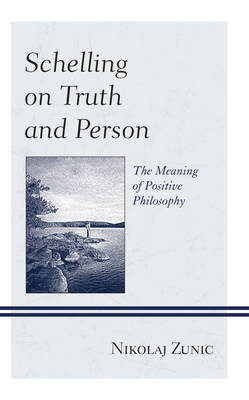
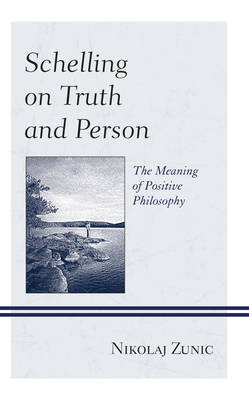
Positive philosophy is the name that Friedrich Schelling (1775-1854) gave to a new type of philosophizing that stands in contrast to the so-called negative philosophy that is predominant in modern rationalism. But what exactly is positive philosophy? Schelling on Truth and Person: The Meaning of Positive Philosophy argues that its meaning lies in a distinctive view of the human person as a seeker of truth. Truth is presented as historically woven in the movement of life with the phenomena of mythology and religion that reveal the human being's falling away from and return to the truth. Nikolaj Zunic demonstrates that this novel understanding of truth accompanies the development and expression of positive philosophy itself. The anthropological dimension of truth relates to self-knowledge, the soul, spirit, and personality, and Schelling's positive philosophy sheds light on the grand themes of the meaning of life, the ontological question (why is there something rather than nothing?), the enigma of knowledge and reason, and the affirmation of the existence of God. This book will appeal to students and scholars interested in Schelling's late philosophy as well as broader questions in philosophy concerning meaning, truth, human nature, and rationality.
Specificaties
Betrokkenen
- Auteur(s):
- Uitgeverij:
Inhoud
- Aantal bladzijden:
- 310
- Taal:
- Engels
- Reeks:
Eigenschappen
- Productcode (EAN):
- 9781666915884
- Verschijningsdatum:
- 15/08/2022
- Uitvoering:
- Hardcover
- Formaat:
- Genaaid
- Afmetingen:
- 152 mm x 229 mm
- Gewicht:
- 625 g


Alleen bij Standaard Boekhandel
+ 440 punten op je klantenkaart van Standaard Boekhandel
Cadeau

AANGERADEN


Beoordelingen
We publiceren alleen reviews die voldoen aan de voorwaarden voor reviews. Bekijk onze voorwaarden voor reviews.