


- Afhalen na 1 uur in een winkel met voorraad
- Gratis thuislevering in België vanaf € 30
- Ruim aanbod met 7 miljoen producten
- Afhalen na 1 uur in een winkel met voorraad
- Gratis thuislevering in België vanaf € 30
- Ruim aanbod met 7 miljoen producten





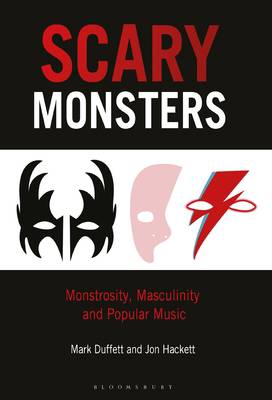
Scary Monsters
Monstrosity, Masculinity and Popular Music
Mark Duffett, Jon Hackett
Paperback | Engels
€ 72,95
+ 145 punten
Omschrijving
Popular music and masculinity have rarely been examined through the lens of research into monstrosity. The discourses associated with rock and pop, however, actually include more 'monsters' than might at first be imagined. Attention to such individuals and cultures can say things about the operation of genre and gender, myth and meaning. Indeed, monstrosity has recently become a growing focus of cultural theory. This is in part because monsters raise shared concerns about transgression, subjectivity, agency, and community. Attention to monstrosity evokes both the spectre of projection (which invokes familial trauma and psychoanalysis) and shared anxieties (that in turn reflect ideologies and beliefs). By pursuing a series of insightful case studies, Scary Monsters considers different aspects of the connection between music, gender and monstrosity. Its argument is that attention to monstrosity provides a unique perspective on the study of masculinity in popular music culture.
Specificaties
Betrokkenen
- Auteur(s):
- Uitgeverij:
Inhoud
- Aantal bladzijden:
- 288
- Taal:
- Engels
Eigenschappen
- Productcode (EAN):
- 9781501374760
- Verschijningsdatum:
- 25/08/2022
- Uitvoering:
- Paperback
- Formaat:
- Trade paperback (VS)
- Afmetingen:
- 152 mm x 229 mm
- Gewicht:
- 381 g


Alleen bij Standaard Boekhandel
+ 145 punten op je klantenkaart van Standaard Boekhandel
Cadeau

AANGERADEN


Beoordelingen
We publiceren alleen reviews die voldoen aan de voorwaarden voor reviews. Bekijk onze voorwaarden voor reviews.