


- Afhalen na 1 uur in een winkel met voorraad
- Gratis thuislevering in België vanaf € 30
- Ruim aanbod met 7 miljoen producten
- Afhalen na 1 uur in een winkel met voorraad
- Gratis thuislevering in België vanaf € 30
- Ruim aanbod met 7 miljoen producten





€ 44,45
+ 88 punten
Uitvoering
Omschrijving
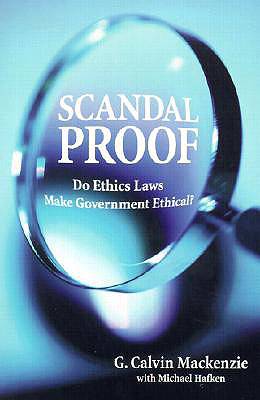
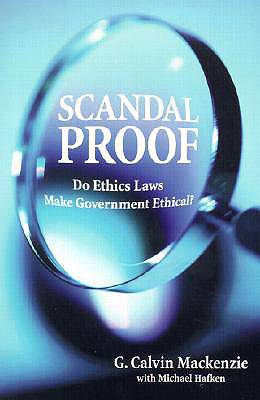
In 1961, President John F. Kennedy signed Executive Order 10930, the first step in a long series of efforts to regulate the ethical behavior of executive branch officials. A few years later Lyndon B. Johnson required all senior officials to report assets and sources of non-government income to the Civil Service Commission. The reaction to Watergate opened the floodgates to more laws and rules: the Ethics in Government Act of 1978, subsequent expansions of that act in the 1980s and 1990s, and sweeping executive orders by Presidents George H. W. Bush and Bill Clinton. The consequence of these aggressive efforts to scandal proof the federal government is a heavy accumulation of law and regulation administered by agencies employing hundreds of people and spending millions of dollars every year. Ethics regulation has been one of the steady growth sectors in the federal government for decades. This book explores the process that led to the current state of ethics regulation in the federal executive branch. It assesses whether efforts to scandal proof the federal government have been successful, what they have cost, and whether reforms should be considered. The book's chapters: describe the radical differences between the public service environment of yesteryear and today¡]s heavy regulatory atmosphere provide an overview of government corruption and integrity in America through 1960 describe the evolution of the regulatory process and political factors that have led to its current incarnation assess the substance of existing ethics regulations as well as the size, cost, and complexity of the enforcement infrastructure employ survey research and other empirical data from various executive branch scandals to measure the efficacy of current ethics regulations Informed by research of unprecedented scope and depth, Scandal Proof provides a balanced assessment of the character and impact of federal ethics regulatory efforts--in
Specificaties
Betrokkenen
- Auteur(s):
- Uitgeverij:
Inhoud
- Aantal bladzijden:
- 214
- Taal:
- Engels
Eigenschappen
- Productcode (EAN):
- 9780815754039
- Verschijningsdatum:
- 12/08/2002
- Uitvoering:
- Paperback
- Formaat:
- Trade paperback (VS)
- Afmetingen:
- 152 mm x 232 mm
- Gewicht:
- 299 g


Alleen bij Standaard Boekhandel
+ 88 punten op je klantenkaart van Standaard Boekhandel
Cadeau

AANGERADEN


Beoordelingen
We publiceren alleen reviews die voldoen aan de voorwaarden voor reviews. Bekijk onze voorwaarden voor reviews.