


- Afhalen na 1 uur in een winkel met voorraad
- Gratis thuislevering in België vanaf € 30
- Ruim aanbod met 7 miljoen producten
- Afhalen na 1 uur in een winkel met voorraad
- Gratis thuislevering in België vanaf € 30
- Ruim aanbod met 7 miljoen producten





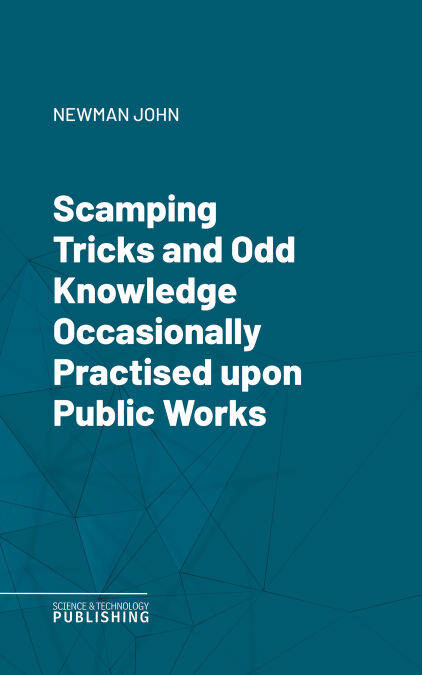
Scamping Tricks and Odd Knowledge Occasionally Practised upon Public Works E-BOOK
John Newman
E-book | Engels
€ 19,99
+ 19 punten
Omschrijving
Scamping Tricks and Odd Knowledge Occasionally Practised upon Public Works is a fascinating and detailed exposé of the deceptive practices, shortcuts, and cunning tricks employed by unscrupulous workers and contractors in the construction and public works industries of the late 19th and early 20th centuries. Authored by John Newman, a seasoned civil engineer, the book serves as both a cautionary tale and a practical guide for engineers, inspectors, and anyone involved in public works projects. Newman draws upon his extensive experience to reveal the myriad ways in which materials can be adulterated, measurements manipulated, and specifications evaded, all to the detriment of quality and safety. The book is organized into chapters that cover a wide range of topics, including earthworks, concrete, masonry, timber, ironwork, and road construction. Each section is filled with real-world examples, anecdotes, and technical insights that illustrate how scamping—deliberate corner-cutting and fraud—can occur at every stage of a project. Newman not only describes the tricks themselves but also provides advice on how to detect and prevent them, making the book an invaluable resource for those tasked with overseeing construction and ensuring the integrity of public works. Written in a lively and engaging style, Scamping Tricks and Odd Knowledge combines practical engineering knowledge with a keen understanding of human nature. It offers a unique glimpse into the challenges faced by engineers and inspectors in an era before modern regulations and quality controls, while its lessons remain relevant for contemporary readers concerned with ethics and best practices in construction. The book stands as both a historical document and a timeless manual for vigilance, integrity, and professionalism in the field of civil engineering.
Specificaties
Betrokkenen
- Auteur(s):
- Uitgeverij:
Inhoud
- Taal:
- Engels
Eigenschappen
- Productcode (EAN):
- 9782528107201
- Verschijningsdatum:
- 31/08/2025
- Uitvoering:
- E-book
- Formaat:
- ePub


Alleen bij Standaard Boekhandel
+ 19 punten op je klantenkaart van Standaard Boekhandel
Cadeau

AANGERADEN


Beoordelingen
We publiceren alleen reviews die voldoen aan de voorwaarden voor reviews. Bekijk onze voorwaarden voor reviews.