


- Afhalen na 1 uur in een winkel met voorraad
- Gratis thuislevering in België vanaf € 30
- Ruim aanbod met 7 miljoen producten
- Afhalen na 1 uur in een winkel met voorraad
- Gratis thuislevering in België vanaf € 30
- Ruim aanbod met 7 miljoen producten




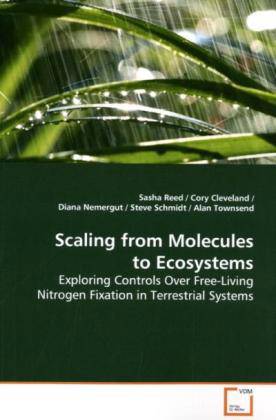
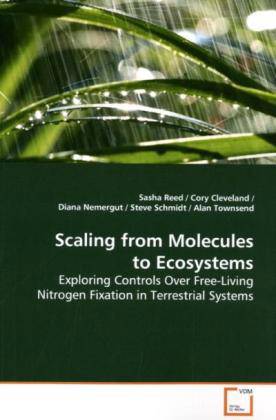
Scaling from Molecules to Ecosystems
Exploring Controls Over Free-Living Nitrogen Fixation in Terrestrial Systems
Sasha Reed
Paperback | Engels
€ 82,45
+ 164 punten
Omschrijving
All living organisms require nitrogen, and a single
process biological nitrogen fixation accounts for
more than 97% of natural nitrogen inputs into Earth s
ecosystems. To date, most nitrogen fixation research
has focused on the symbiotic nitrogen fixation
occurring via the structured relationship of
particular bacteria and plant roots. Yet free-living
nitrogen fixation, the nitrogen fixation occurring
outside of this symbiosis, may represent the dominant
source of biologically-available nitrogen to a
variety of ecosystems. Here we explored free-living
nitrogen fixation controls, ranging from the effect
of fertilization on nitrogen inputs to the role of
microbial nitrogen-fixer community structure in
regulating nitrogen fixation rates. We found that
free-living nitrogen fixation was a dynamic process
that supplied diverse ecosystems with nitrogen, and
that we could elucidate multiple controls over this
important process.
process biological nitrogen fixation accounts for
more than 97% of natural nitrogen inputs into Earth s
ecosystems. To date, most nitrogen fixation research
has focused on the symbiotic nitrogen fixation
occurring via the structured relationship of
particular bacteria and plant roots. Yet free-living
nitrogen fixation, the nitrogen fixation occurring
outside of this symbiosis, may represent the dominant
source of biologically-available nitrogen to a
variety of ecosystems. Here we explored free-living
nitrogen fixation controls, ranging from the effect
of fertilization on nitrogen inputs to the role of
microbial nitrogen-fixer community structure in
regulating nitrogen fixation rates. We found that
free-living nitrogen fixation was a dynamic process
that supplied diverse ecosystems with nitrogen, and
that we could elucidate multiple controls over this
important process.
Specificaties
Betrokkenen
- Auteur(s):
- Uitgeverij:
Inhoud
- Aantal bladzijden:
- 128
- Taal:
- Engels
Eigenschappen
- Productcode (EAN):
- 9783639168518
- Verschijningsdatum:
- 1/07/2009
- Uitvoering:
- Paperback
- Afmetingen:
- 152 mm x 229 mm
- Gewicht:
- 200 g


Alleen bij Standaard Boekhandel
+ 164 punten op je klantenkaart van Standaard Boekhandel
AANGERADEN


Beoordelingen
We publiceren alleen reviews die voldoen aan de voorwaarden voor reviews. Bekijk onze voorwaarden voor reviews.