


- Afhalen na 1 uur in een winkel met voorraad
- Gratis thuislevering in België vanaf € 30
- Ruim aanbod met 7 miljoen producten
- Afhalen na 1 uur in een winkel met voorraad
- Gratis thuislevering in België vanaf € 30
- Ruim aanbod met 7 miljoen producten





€ 276,95
+ 553 punten
Uitvoering
Omschrijving
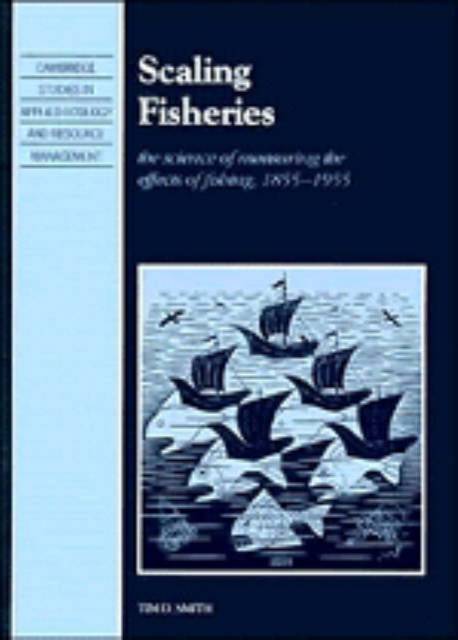
Since the industrialization of fishing, fisheries scientists have been subject to intense economic and political pressures, which have affected the way the science has developed. The origins and effects of these pressures are traced in this book to concerns about determining the causes of fluctuations in fish and whale catches, and to resistance to regulation of fishing activity when populations are depleted. The development of partial theories of fish population dynamics are described using examples of both national and international fisheries. The causes of the difficulties encountered in generalizing these theories are examined, setting the stage for the limitation of scope of these studies that still influences the form and extent of fisheries research today.
Specificaties
Betrokkenen
- Auteur(s):
- Uitgeverij:
Inhoud
- Aantal bladzijden:
- 412
- Taal:
- Engels
- Reeks:
Eigenschappen
- Productcode (EAN):
- 9780521390323
- Verschijningsdatum:
- 21/07/1994
- Uitvoering:
- Hardcover
- Formaat:
- Genaaid
- Afmetingen:
- 170 mm x 244 mm
- Gewicht:
- 852 g


Alleen bij Standaard Boekhandel
+ 553 punten op je klantenkaart van Standaard Boekhandel

Beoordelingen
We publiceren alleen reviews die voldoen aan de voorwaarden voor reviews. Bekijk onze voorwaarden voor reviews.