


- Afhalen na 1 uur in een winkel met voorraad
- Gratis thuislevering in België vanaf € 30
- Ruim aanbod met 7 miljoen producten
- Afhalen na 1 uur in een winkel met voorraad
- Gratis thuislevering in België vanaf € 30
- Ruim aanbod met 7 miljoen producten





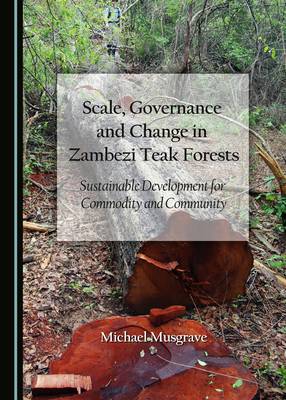
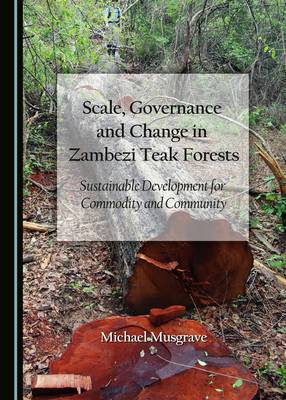
Scale, Governance and Change in Zambezi Teak Forests
Sustainable Development for Commodity and Community
Michael Musgrave
Hardcover | Engels
€ 78,45
+ 156 punten
Omschrijving
The Zambezi Teak forests of western Zambia have been exploited for their timber for over 80 years. The record of this exploitation and the subsequent collapse of the timber industry provide a unique insight into problems around land use change, governance and the interaction between ecology, society and forest management in south-central Africa. A wide-ranging study, this book is as much an examination of methodology for sustainability research as it is a review of land use change, forest management and rural livelihoods. It explores the problem of scale and how using explicit considerations of scale may contribute to an integration between the life sciences and the social sciences that a holistic assessment of sustainable development problems demands. Specific details of land use change in the region are examined over a 30 year period, including the first detailed mapping of changes to the Zambezi Teak forests since logging ceased in the early 1970s. Forest management practices and fire emerge as important drivers of land use change, and the book provides examples of how forest management and governance are important to sustainable development in this sparsely populated and inaccessible region. For readers interested a detailed understanding of the problems of deforestation, land use change and governance in the dry forests of Africa, this book is essential reading. It also provides insights into wider questions of how multidisciplinary studies may be integrated in a holistic synthesis. African dry forests have been widely studied, but few publications examine the problems of land use change and deforestation in this level of detail. The author draws on 20 years of experience in south-central Africa to combine historical records with research on current political, social and governance issues. The result is a landmark publication which covers a depth and breadth that is seldom achieved in studies of African sustainable development.
Specificaties
Betrokkenen
- Auteur(s):
- Uitgeverij:
Inhoud
- Aantal bladzijden:
- 350
- Taal:
- Engels
Eigenschappen
- Productcode (EAN):
- 9781443887151
- Verschijningsdatum:
- 15/03/2016
- Uitvoering:
- Hardcover
- Formaat:
- Genaaid
- Afmetingen:
- 147 mm x 208 mm
- Gewicht:
- 544 g


Alleen bij Standaard Boekhandel
+ 156 punten op je klantenkaart van Standaard Boekhandel
Cadeau

AANGERADEN


Beoordelingen
We publiceren alleen reviews die voldoen aan de voorwaarden voor reviews. Bekijk onze voorwaarden voor reviews.