


- Afhalen na 1 uur in een winkel met voorraad
- Gratis thuislevering in België vanaf € 30
- Ruim aanbod met 7 miljoen producten
- Afhalen na 1 uur in een winkel met voorraad
- Gratis thuislevering in België vanaf € 30
- Ruim aanbod met 7 miljoen producten




Omschrijving
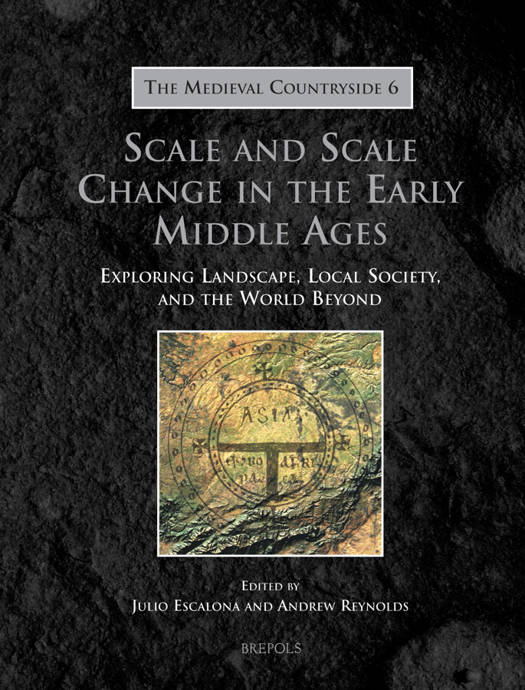
Kings, aristocrats, peasants, and the Church are among the shared features of most early medieval societies. However, these also varied dramatically in time and space. Can petty regional kings, for instance, be compared to those in charge of a whole empire? Scale is a crucial factor in modelling, explaining, and conceptualizing the past. Furthermore, many issues that historians and archaeologists treat independently can be theorized together as processes of scale decrease or increase: the appearance of complex societies, the rise and collapse of empires, changing world-systems, and globalization. While a subject of much discussion in fields such as ecology, geography, and sociology, scale is rarely theorized by archaeologists and historians. This book highlights the potential of the concepts of scale and scale change for comparing and explaining medieval socio-spatial processes. It integrates regional and temporal variations in the fragmentation of the Roman world and the emergence of medieval polities, which are often handled separately by late antique and early medieval specialists. The result of a three-year research project, the nine case studies in this volume offer fresh insights into early medieval rural society while combining their individual subjects to generate a wider explanatory framework.
Specificaties
Betrokkenen
- Auteur(s):
- Uitgeverij:
Inhoud
- Aantal bladzijden:
- 316
- Taal:
- Frans
- Reeks:
- Reeksnummer:
- nr. 6
Eigenschappen
- Productcode (EAN):
- 9782503532394
- Verschijningsdatum:
- 31/03/2011
- Uitvoering:
- Hardcover
- Formaat:
- Genaaid
- Afmetingen:
- 163 mm x 241 mm
- Gewicht:
- 703 g


Alleen bij Standaard Boekhandel
+ 148 punten op je klantenkaart van Standaard Boekhandel
AANGERADEN


Beoordelingen
We publiceren alleen reviews die voldoen aan de voorwaarden voor reviews. Bekijk onze voorwaarden voor reviews.