


- Afhalen na 1 uur in een winkel met voorraad
- Gratis thuislevering in België vanaf € 30
- Ruim aanbod met 7 miljoen producten
- Afhalen na 1 uur in een winkel met voorraad
- Gratis thuislevering in België vanaf € 30
- Ruim aanbod met 7 miljoen producten





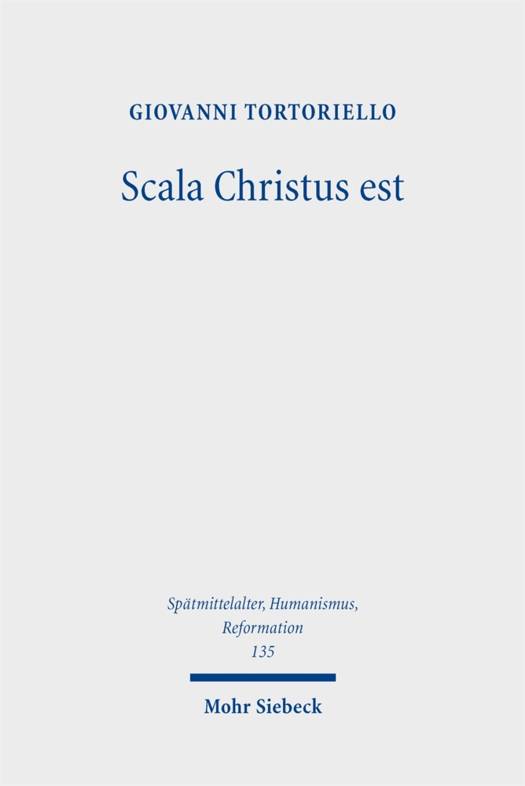
Scala Christus Est
Reassessing the Historical Context of Martin Luther's Theology of the Cross
Giovanni Tortoriello
€ 130,45
+ 260 punten
Omschrijving
Since the nineteenth century, scholars have debated the controversial relationships between humanism, the Renaissance and the Reformation. Challenging the dominant narrative on the subject, Giovanni Tortoriello reconstructs the debates that characterized the early Reformation movements. He shows that Martin Luther's theology of the cross developed in reaction to the irenic tendencies of the Renaissance. With the spread of Platonism, Hermeticism, and Kabbalah in the fifteenth century, the identity of Christianity shifted and the boundaries between the different religions thinned. In response to this attempt to minimize the differences among the various religions, Luther reiterated the centrality and uniqueness of the salvific event of the cross. Confessional biases and theological prejudices have obliterated the role that Platonism, Hermeticism, and Christian Kabbalah played in the early Reformation debates. The author reconstructs these controversies and situates Luther's theology of the cross in this historical context.
Specificaties
Betrokkenen
- Auteur(s):
- Uitgeverij:
Inhoud
- Aantal bladzijden:
- 401
- Taal:
- Engels
- Reeks:
- Reeksnummer:
- nr. 135
Eigenschappen
- Productcode (EAN):
- 9783161614729
- Verschijningsdatum:
- 1/05/2023
- Uitvoering:
- Hardcover
- Formaat:
- Genaaid
- Afmetingen:
- 231 mm x 154 mm
- Gewicht:
- 3755 g


Alleen bij Standaard Boekhandel
+ 260 punten op je klantenkaart van Standaard Boekhandel
Cadeau

AANGERADEN


Beoordelingen
We publiceren alleen reviews die voldoen aan de voorwaarden voor reviews. Bekijk onze voorwaarden voor reviews.