


- Afhalen na 1 uur in een winkel met voorraad
- Gratis thuislevering in België vanaf € 30
- Ruim aanbod met 7 miljoen producten
- Afhalen na 1 uur in een winkel met voorraad
- Gratis thuislevering in België vanaf € 30
- Ruim aanbod met 7 miljoen producten





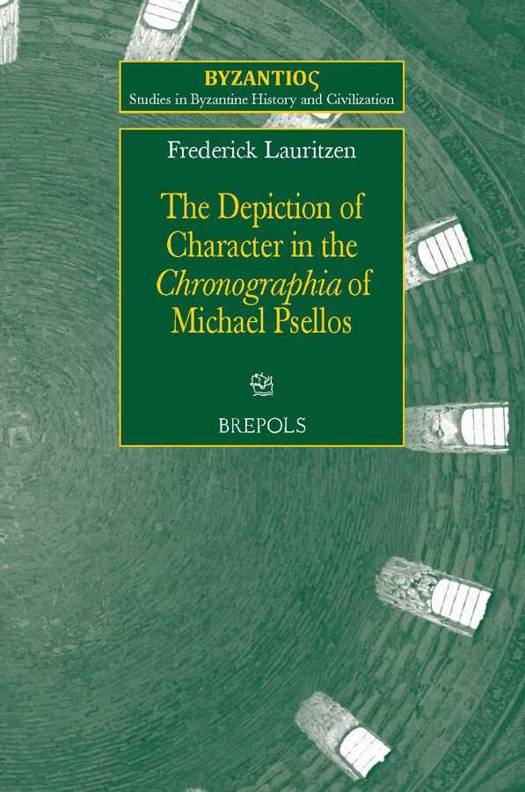
SBHC 07 The Depiction of Character in the Chronographia of Michael Psellos, Lauritzen
Frederick Lauritzen
€ 84,80
+ 169 punten
Omschrijving
Character is the single most important feature of the Chronographia written by Michael Psellos (1018-1081?). It is an historical account of the events at court from the time of Basil II (986-1025) to Michael VII Doukas (1071-1078) with the insight of someone whose career developed within the imperial court and his unsurpassed eye for details of personality was enlightened by his intellectual interests. During his lifetime, Psellos was considered the forefront of philosophical studies in the capital and therefore was named consul of philosophers in 1047 and he credited himself with reintroducing Plato on the cultural scene of Constantinople. It was his attractive manner of speech which led him to remain in the emperor's presence and his rhetorical ability also plays an important role in the Chronographia, especially when he emphasizes or fabricates events to justify his understanding of a person's mind. Many have employed Psellos' Chronographia for its value in shedding light on historic events, itself important, though it often neglects the fact that Psellos' historiography is not based on factual details to explain multiple causes for events, but seeks to attribute blame or merit to the personality of the ruling emperor.
Specificaties
Betrokkenen
- Auteur(s):
- Uitgeverij:
Inhoud
- Aantal bladzijden:
- 270
- Taal:
- Engels
- Reeks:
- Reeksnummer:
- nr. 7
Eigenschappen
- Productcode (EAN):
- 9782503548418
- Verschijningsdatum:
- 17/12/2013
- Uitvoering:
- Paperback
- Formaat:
- Trade paperback (VS)
- Afmetingen:
- 155 mm x 234 mm
- Gewicht:
- 453 g


Alleen bij Standaard Boekhandel
+ 169 punten op je klantenkaart van Standaard Boekhandel
Cadeau

AANGERADEN


Beoordelingen
We publiceren alleen reviews die voldoen aan de voorwaarden voor reviews. Bekijk onze voorwaarden voor reviews.