


- Afhalen na 1 uur in een winkel met voorraad
- Gratis thuislevering in België vanaf € 30
- Ruim aanbod met 7 miljoen producten
- Afhalen na 1 uur in een winkel met voorraad
- Gratis thuislevering in België vanaf € 30
- Ruim aanbod met 7 miljoen producten





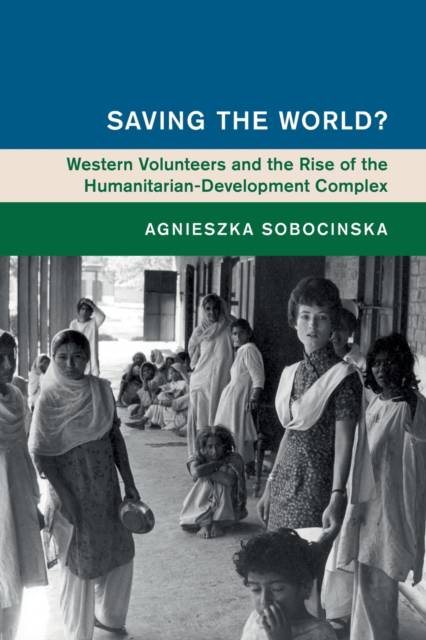
Saving the World?
Western Volunteers and the Rise of the Humanitarian-Development Complex
Agnieszka Sobocinska
€ 72,45
+ 144 punten
Uitvoering
Omschrijving
From the 1950s, tens of thousands of well-meaning Westerners left their homes to volunteer in distant corners of the globe. Aflame with optimism, they set out to save the world, but their actions were invariably intertwined with decolonization, globalization and the Cold War. Closely exploring British, American and Australian programs, Agnieszka Sobocinska situates Western volunteers at the heart of the 'humanitarian-development complex'. This nexus of governments, NGOs, private corporations and public opinion encouraged continuous and accelerating intervention in the Global South from the 1950s. Volunteers attracted a great deal of support in their home countries. But critics across the Global South protested that volunteers put an attractive face on neocolonial power, and extended the logic of intervention embedded in the global system of international development. Saving the World? brings together a wide range of sources to construct a rich narrative of the meeting between Global North and Global South.
Specificaties
Betrokkenen
- Auteur(s):
- Uitgeverij:
Inhoud
- Aantal bladzijden:
- 330
- Taal:
- Engels
- Reeks:
Eigenschappen
- Productcode (EAN):
- 9781108746885
- Verschijningsdatum:
- 15/12/2022
- Uitvoering:
- Paperback
- Formaat:
- Trade paperback (VS)
- Afmetingen:
- 152 mm x 229 mm
- Gewicht:
- 485 g


Alleen bij Standaard Boekhandel
+ 144 punten op je klantenkaart van Standaard Boekhandel
Cadeau

AANGERADEN


Beoordelingen
We publiceren alleen reviews die voldoen aan de voorwaarden voor reviews. Bekijk onze voorwaarden voor reviews.