


- Afhalen na 1 uur in een winkel met voorraad
- Gratis thuislevering in België vanaf € 30
- Ruim aanbod met 7 miljoen producten
- Afhalen na 1 uur in een winkel met voorraad
- Gratis thuislevering in België vanaf € 30
- Ruim aanbod met 7 miljoen producten





€ 30,95
+ 61 punten
Uitvoering
Omschrijving
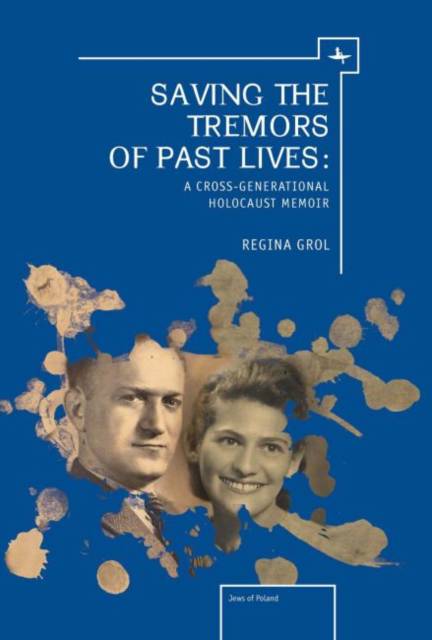
The Jewish community of the Polish border town of Brześc (Brisk in Yiddish), which had numbered almost 30,000 people, was wiped out during the Holocaust, with only about 10 of its members surviving. One of them was Masza Pinczuk, who escaped from the Brześc ghetto on the eve of its liquidation on Oct.15, 1942. Her future husband succeeded in escaping from the Warsaw ghetto. They were the sole survivors of their respective families, and in this volume their daughter, Regina Grol, shares their story and meditates on the legacy of the Holocaust, exploring the lingering impact of the Holocaust on the following generations. Based on interviews and letters, and checked against historical facts, the book includes supporting documents and photographs. It also contains an account of the author's "internal flanerie" (to use Walter Benjamin's term), i.e., a retrospective and introspective look at her own life as a child of Holocaust survivors.
Specificaties
Betrokkenen
- Auteur(s):
- Uitgeverij:
Inhoud
- Aantal bladzijden:
- 186
- Taal:
- Engels
- Reeks:
Eigenschappen
- Productcode (EAN):
- 9781618112248
- Verschijningsdatum:
- 21/02/2014
- Uitvoering:
- Paperback
- Formaat:
- Trade paperback (VS)
- Afmetingen:
- 156 mm x 234 mm
- Gewicht:
- 267 g


Alleen bij Standaard Boekhandel
+ 61 punten op je klantenkaart van Standaard Boekhandel
Cadeau

AANGERADEN


Beoordelingen
We publiceren alleen reviews die voldoen aan de voorwaarden voor reviews. Bekijk onze voorwaarden voor reviews.